




|
Merthyr Vale |
|||||||||||||
|
Merthyr Tydfil |
|||||||||||||
|
<Click on the photograph to see a larger version> |
|||||||||||||
|
|
|||||||||||||
|
|
|
Go to:
|
|||||||||||
|
|||||||||||||
|
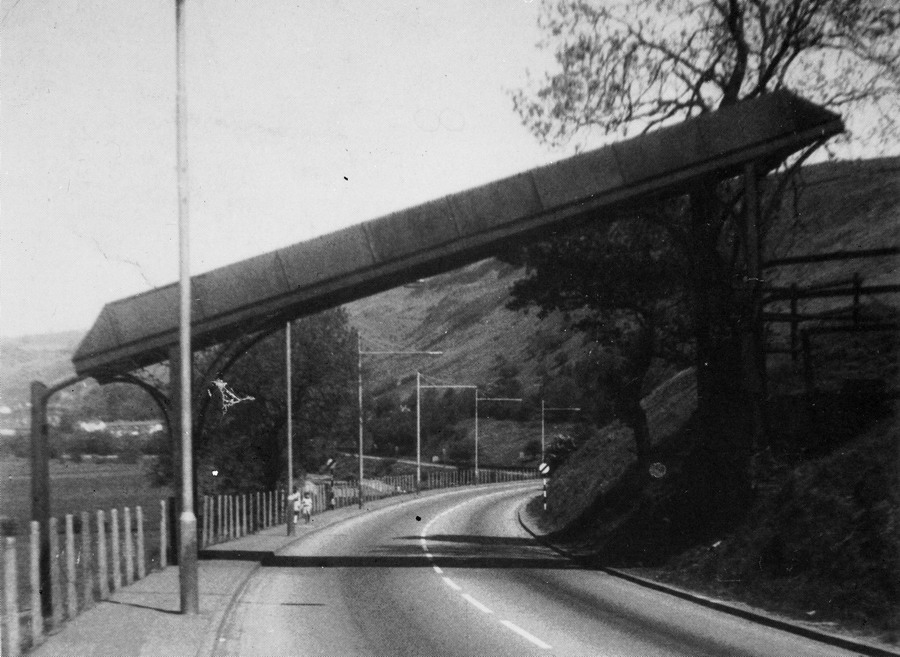
The Flight. Erected to protect the main road from debris falling from the aerial ropeway carrying waste from the Merthyr Vale colliery. Kings Hill and Troedyrhiw in the distance. (Courtesy of Maureen Hughes) |
|||||||||||||
|
|
|||||||||||||
|
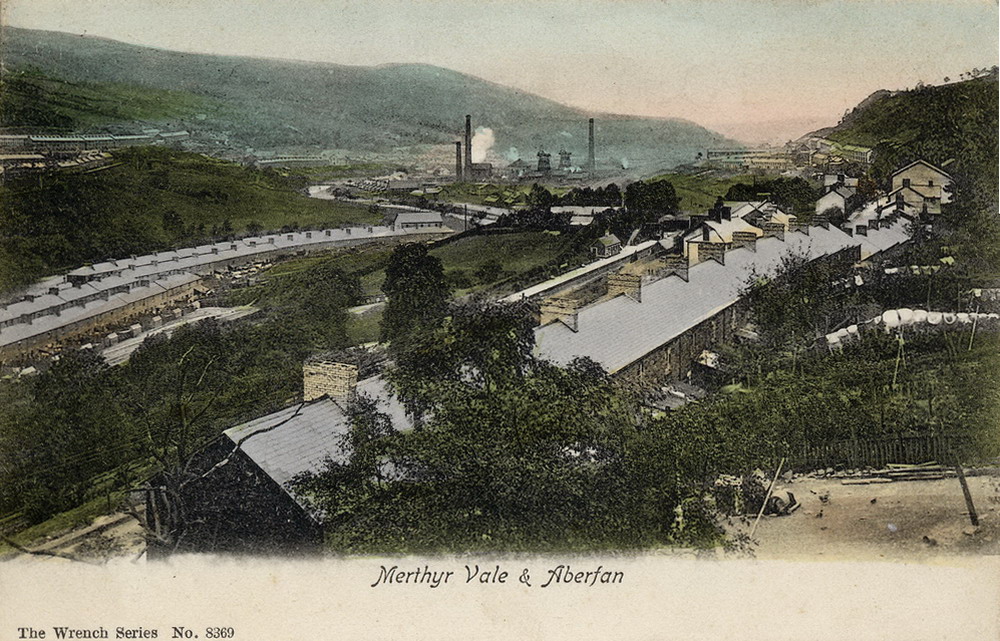
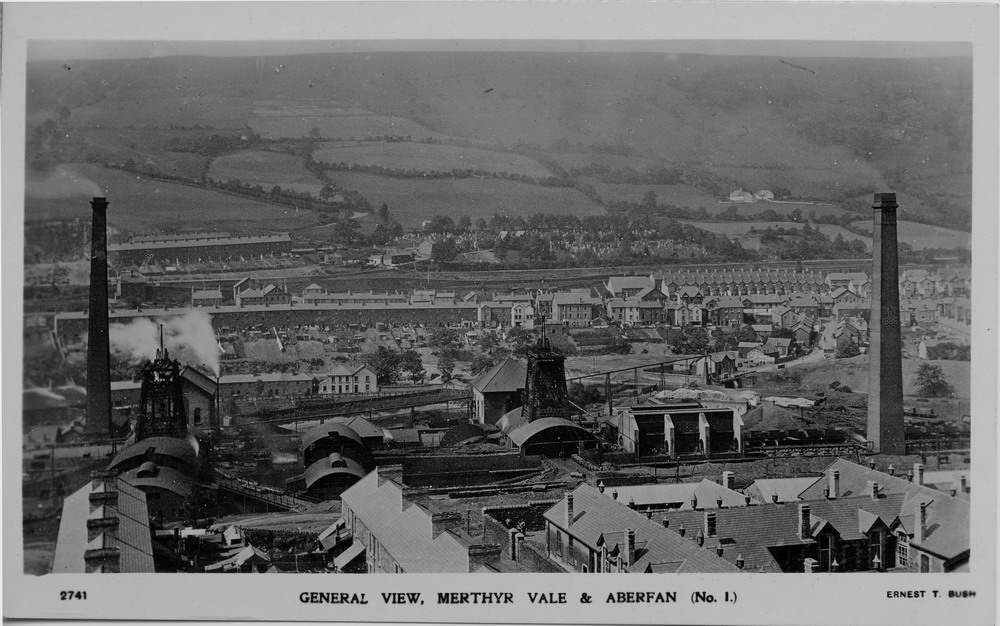
General View Merthyr Vale and Aberfan. (Postcard courtesy of Gill Thomas, West Grove, Merthyr Tydfil) |
|||||||||||||
|
|
|||||||||||||
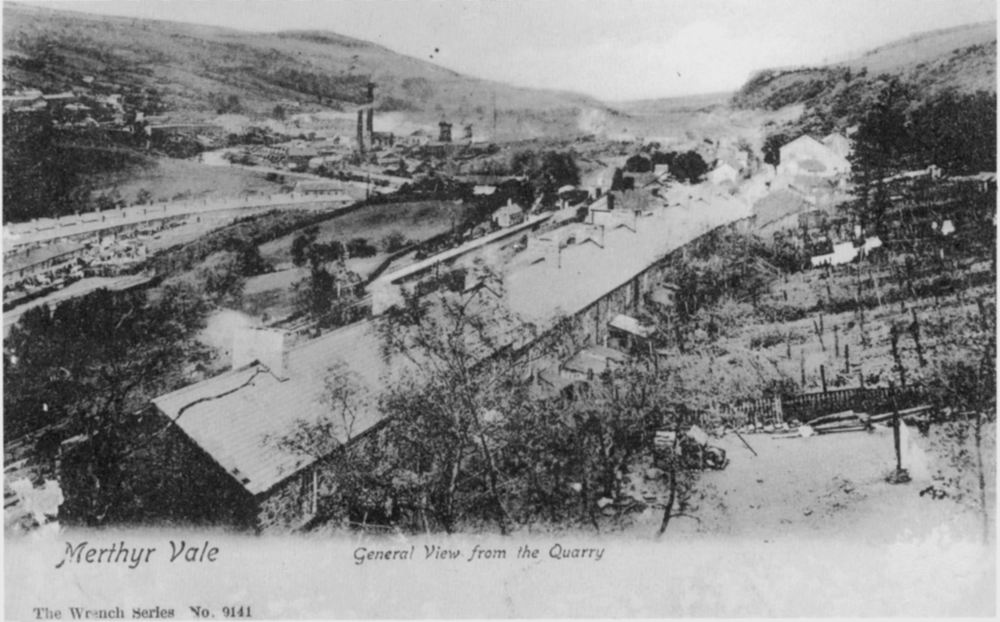
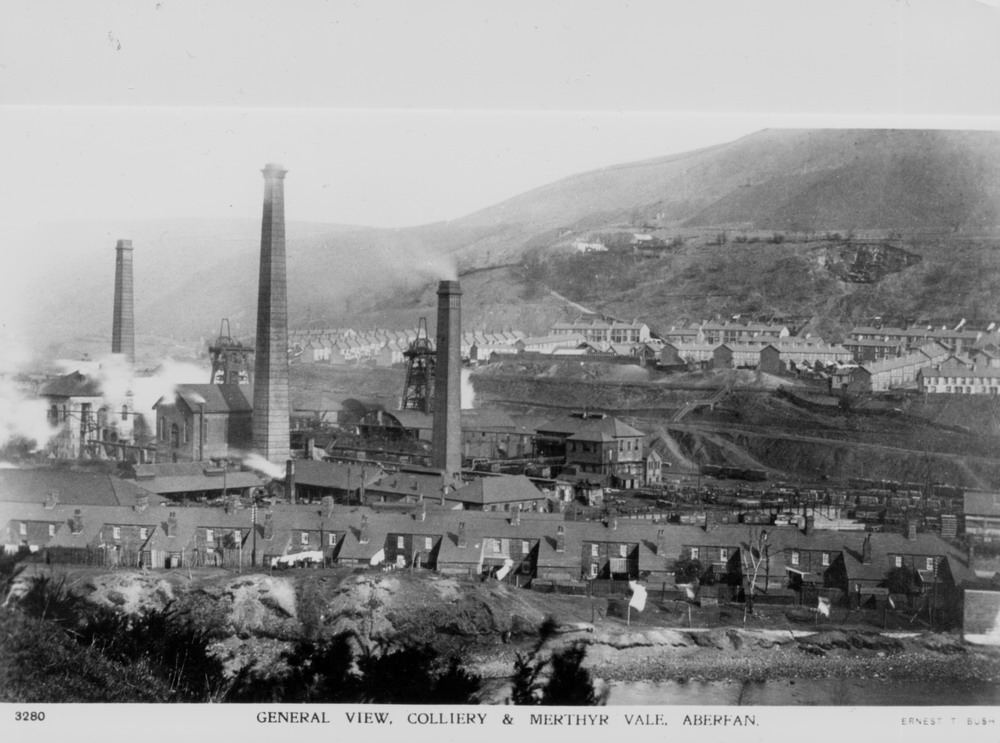
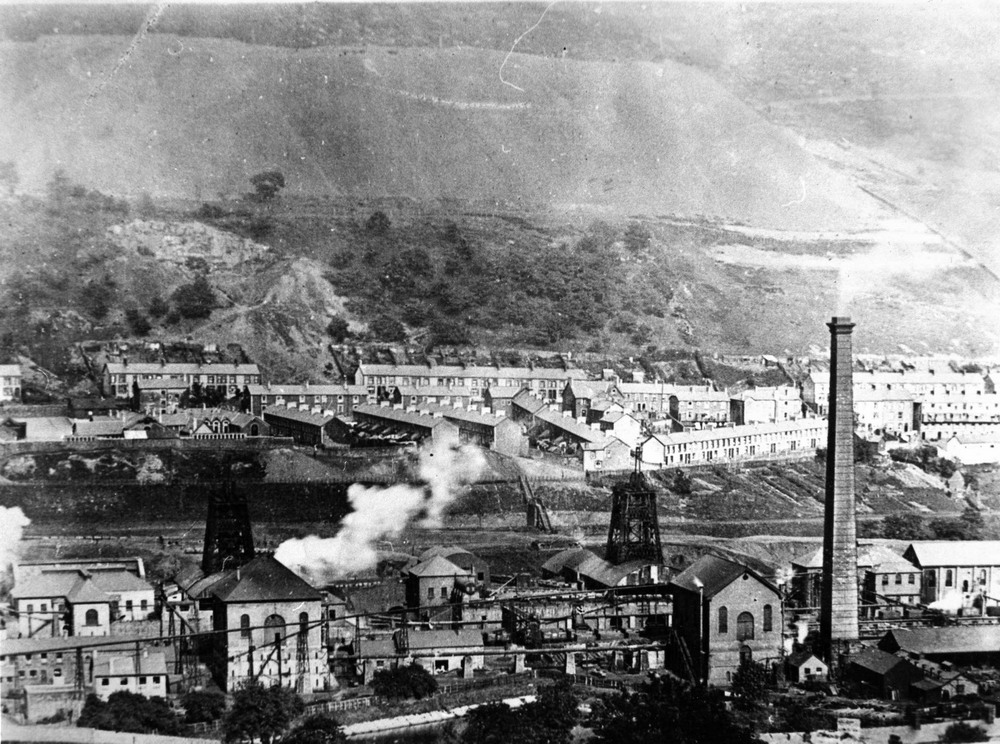
| General View Colliery & Merthyr Vale, Aberfan. | |||||||||||||
|
|
|||||||||||||
|
Merthyr Vale - General View of Colliery and Merthyr Vale (Photograph Courtesy of Dilwyn Evans) |
|||||||||||||
|
|
|||||||||||||
|
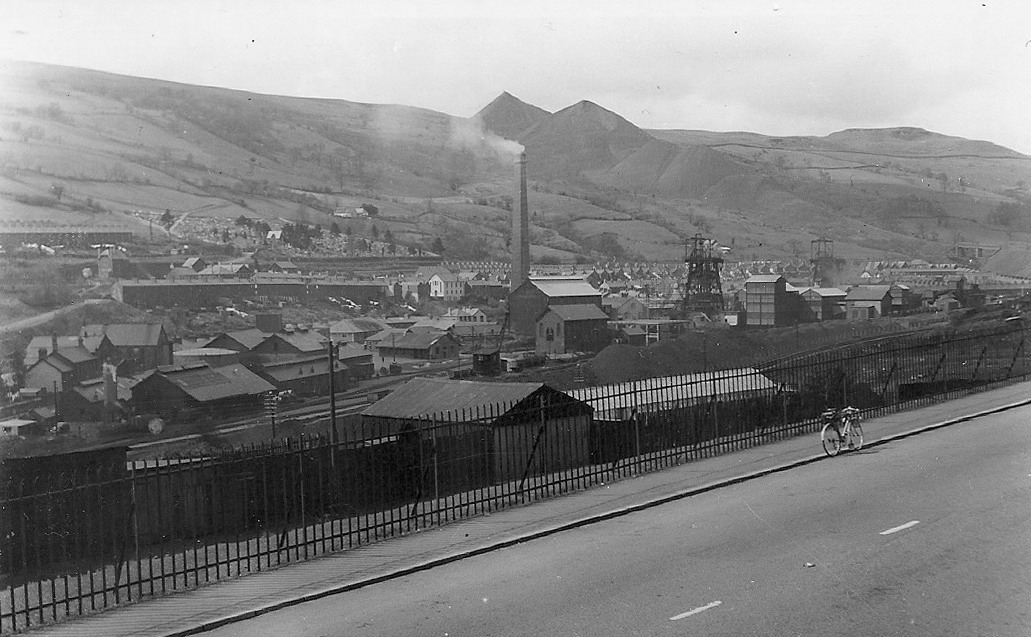
Looking over Merthyr Vale Colliery towards the Aberfan Tips (Photograph courtesy of Dennis Bennett OBE) |
|||||||||||||
|
|
|||||||||||||
|
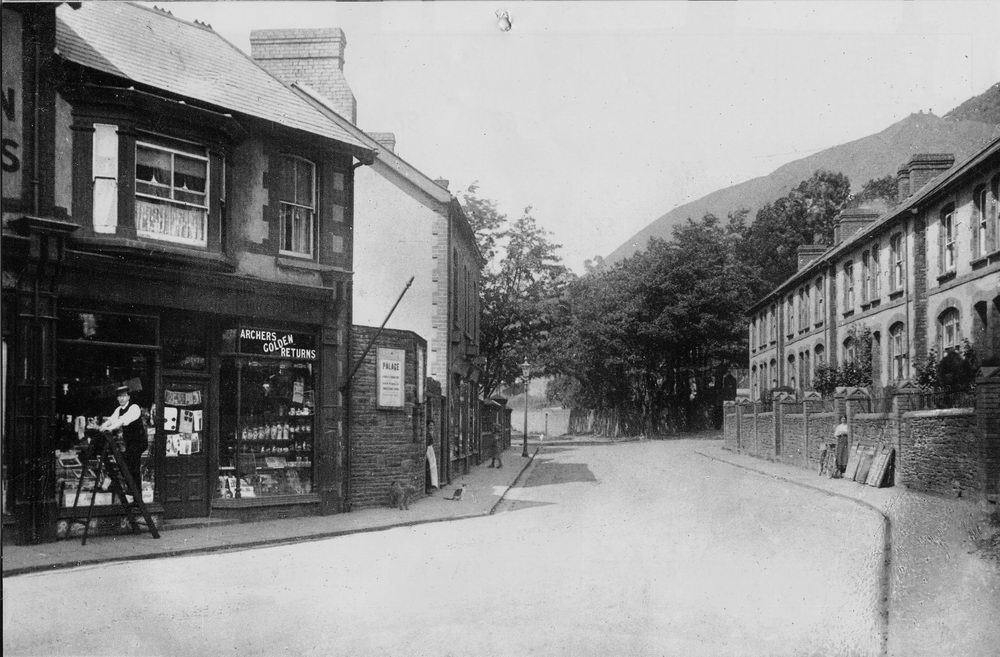
The Square Merthyr Vale. (Postcard courtesy of Gill Thomas, West Grove, Merthyr Tydfil) |
|||||||||||||
|
|
|||||||||||||
| Station Square. | |||||||||||||
|
|
|||||||||||||
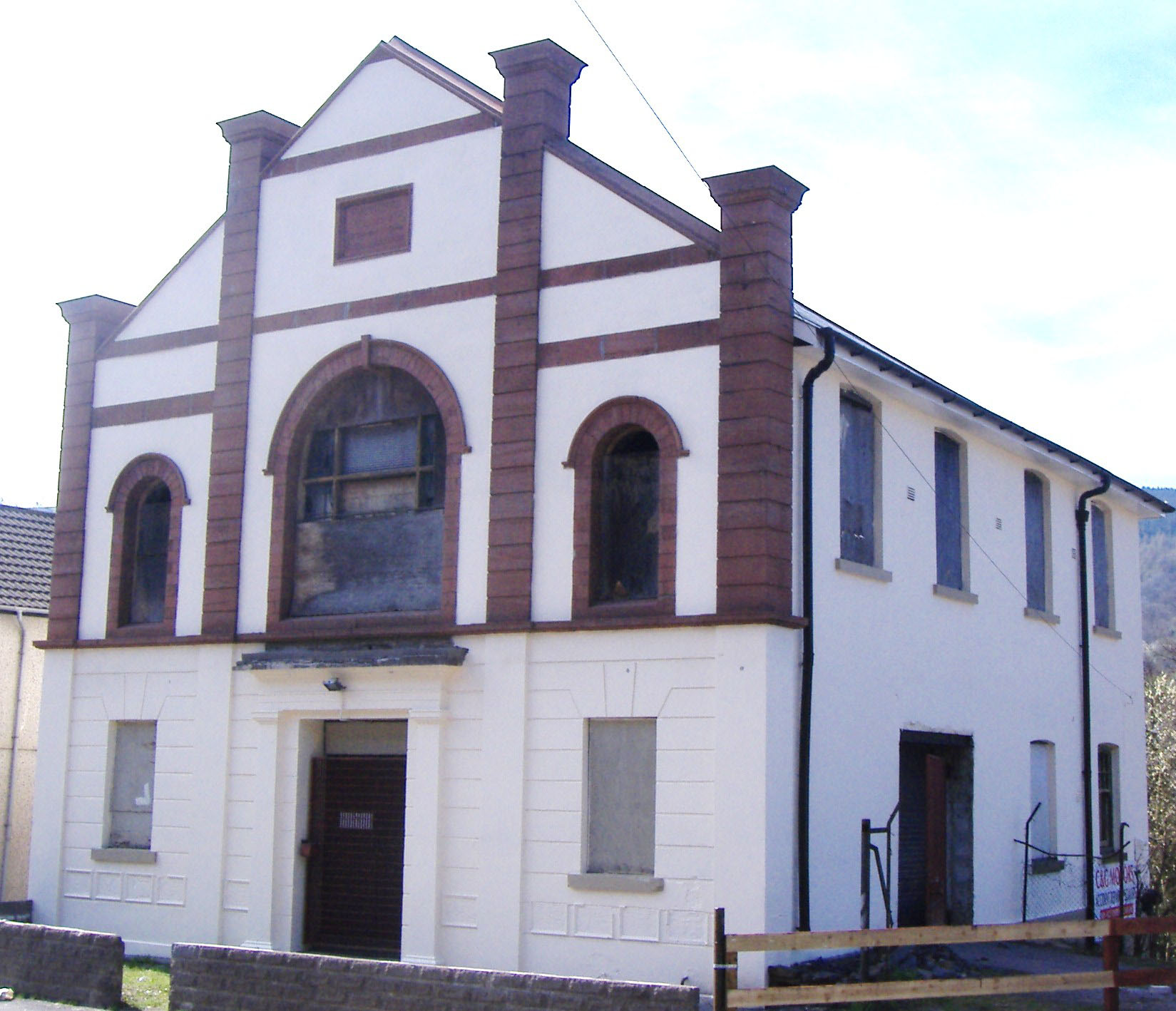
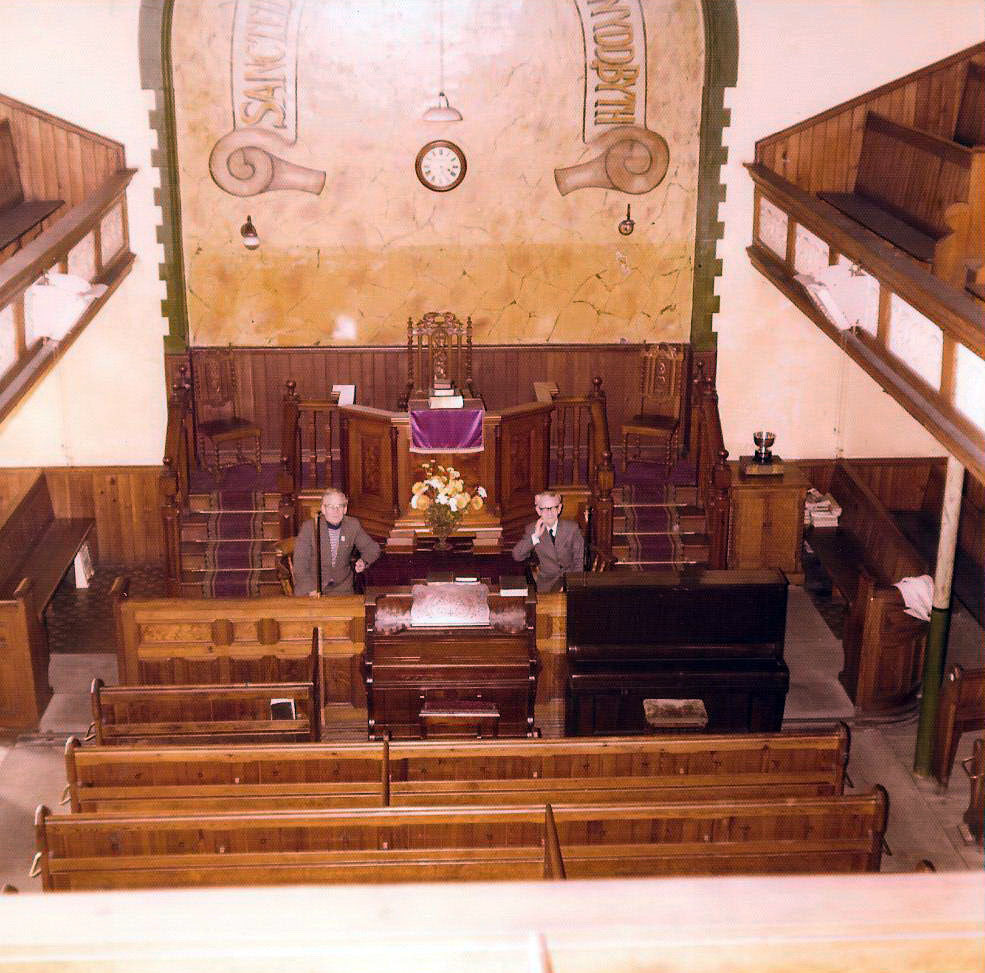
| Disgwylfa Chapel. | |||||||||||||
|
|
|||||||||||||
| Disgwylfa Chapel, interior 1. (courtesy of Mrs Kitty Walters) |
|||||||||||||
|
|
|||||||||||||
| Disgwylfa Chapel, interior 2. (courtesy of Mrs Kitty Walters) |
|||||||||||||
|
|
|||||||||||||
|
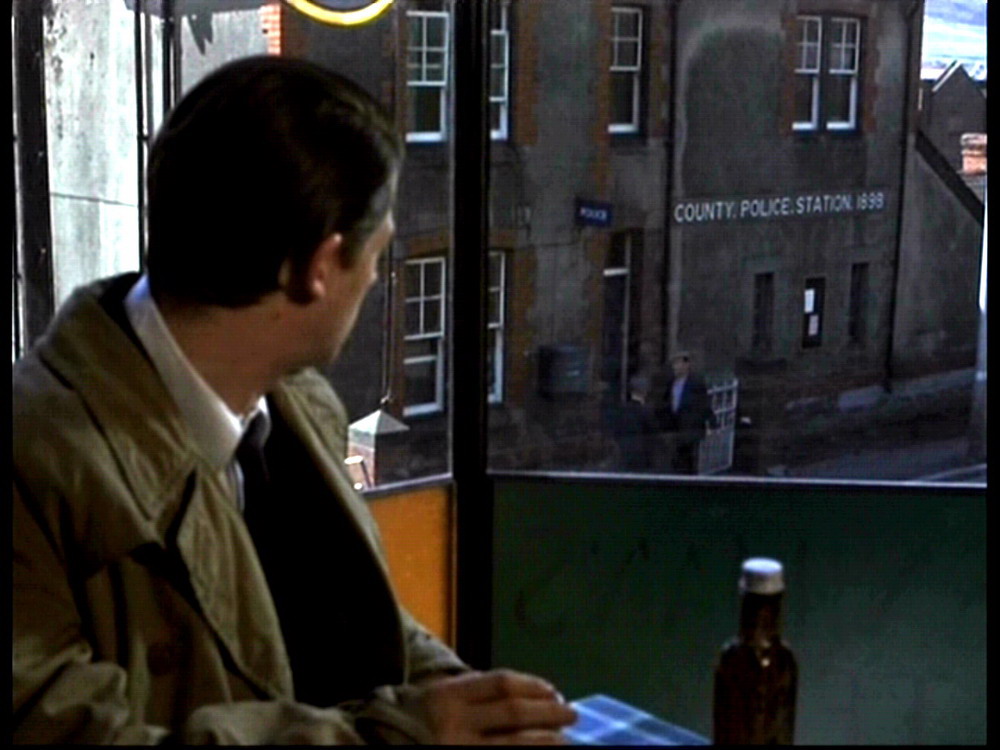
Merthyr Vale Police Station Seen here with John Hurt in the 1970 film '10 Rillington Place' |
|||||||||||||
|
|
|||||||||||||
|
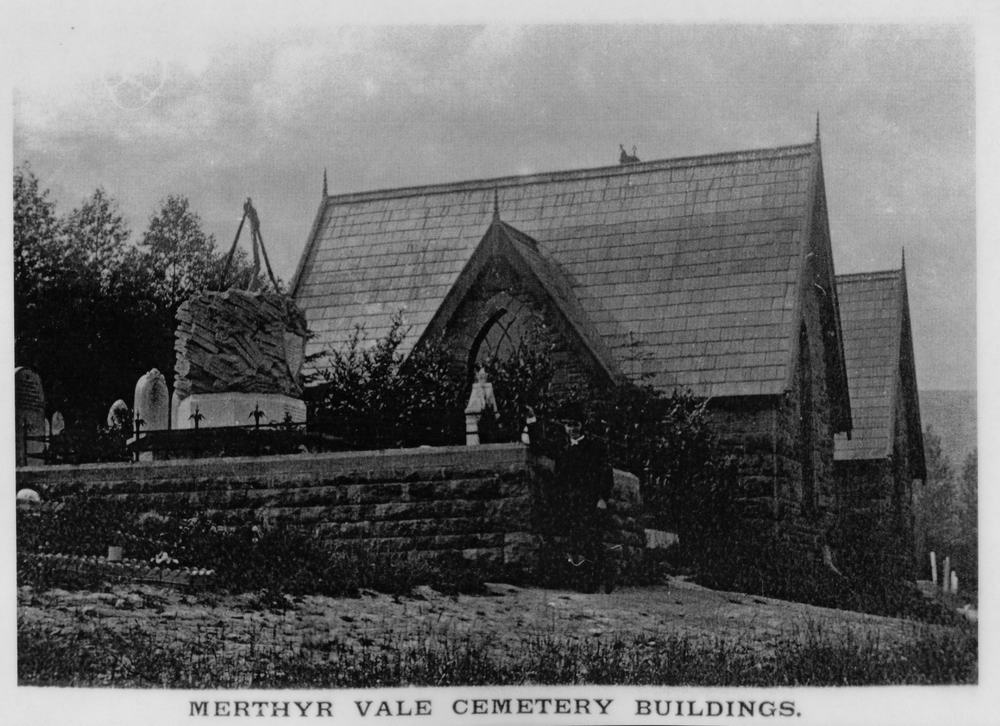
Cemetery Buildings. Tony Pristavec tell us that the caption on this postcard is incorrect, it is infact Aberfan Cemetery. |
|||||||||||||
|
|
|||||||||||||
|
|||||||||||||
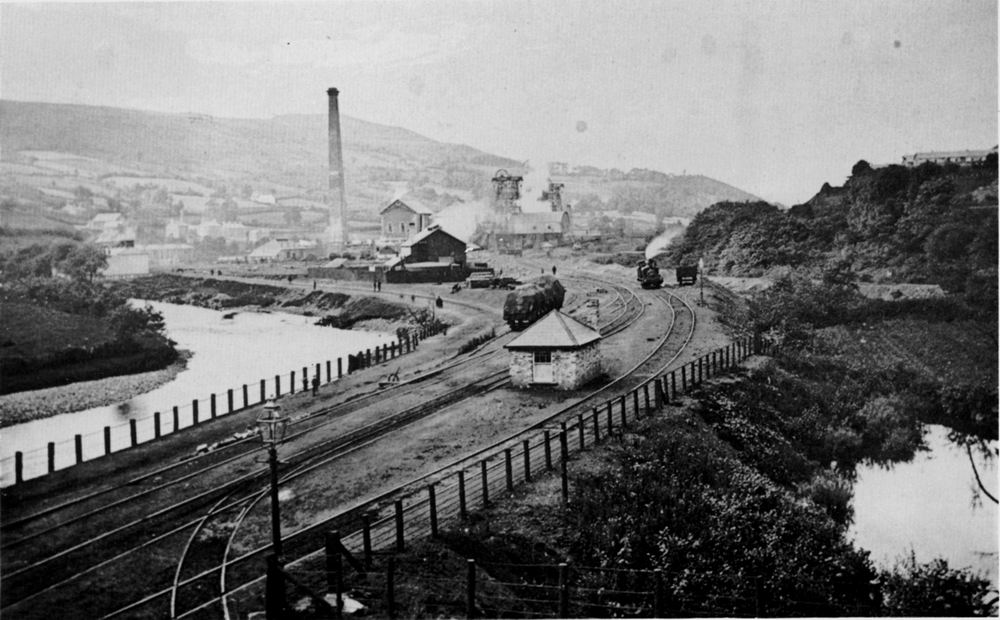
| Merthyr Vale Colliery. | |||||||||||||
|
|||||||||||||
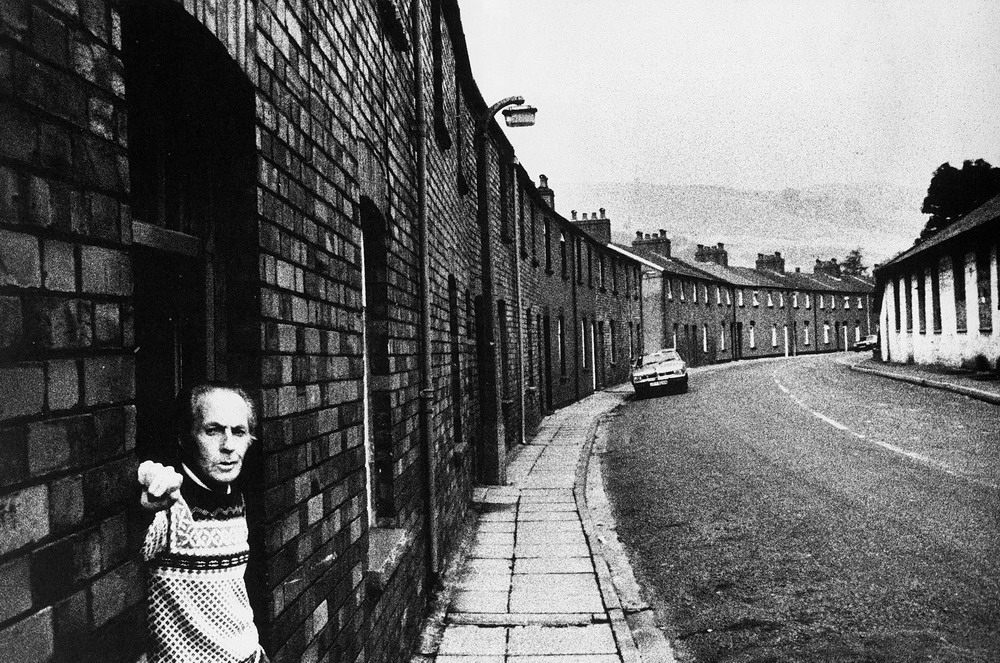
| Nixonville - 1970's | |||||||||||||
|
|
|||||||||||||
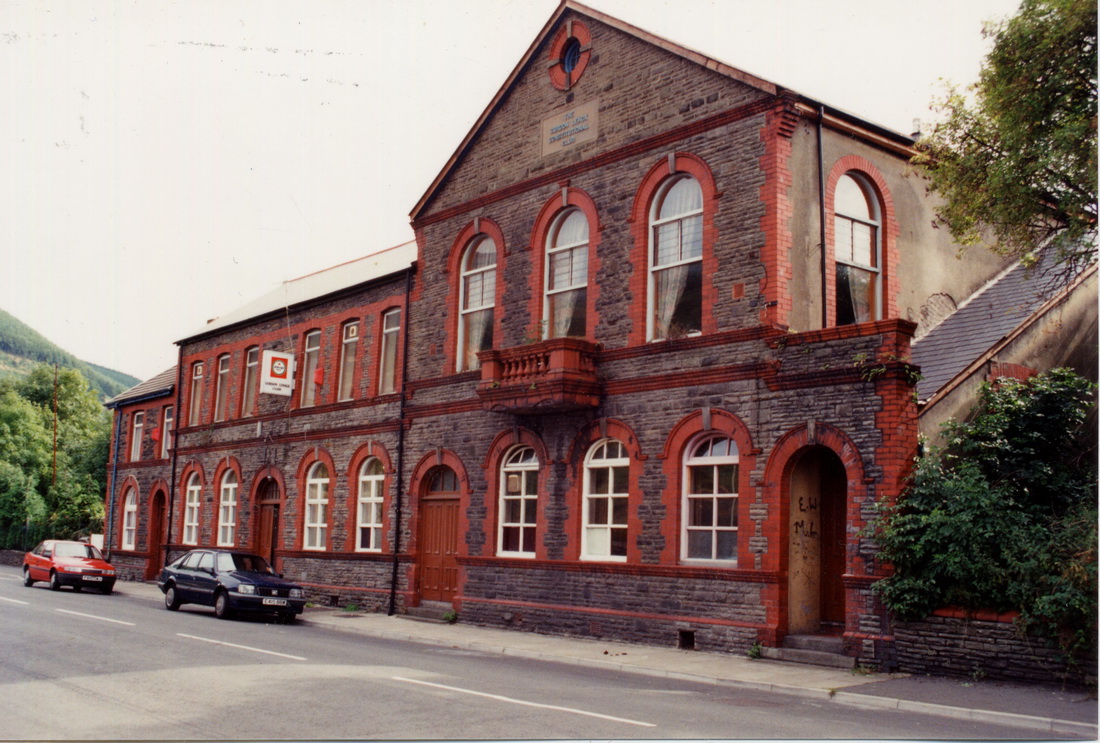
| Gordon Lennox Constitutional Club in 1994 | |||||||||||||
|
|
|||||||||||||
|
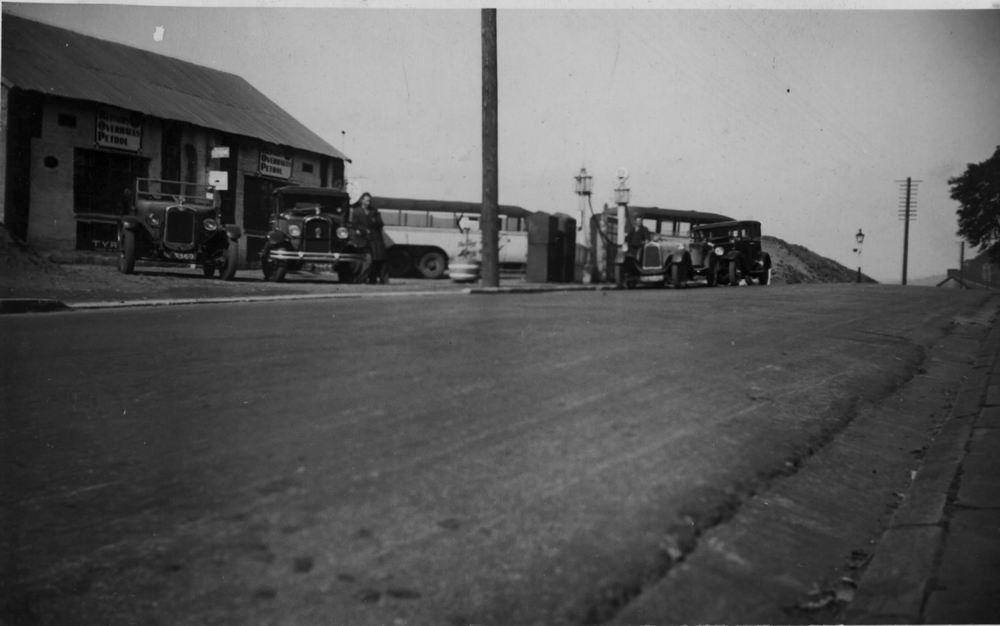
Oaklands Garage. Alan's father Alby George, kept the garage at one time. |
|||||||||||||
|
|
|||||||||||||
|
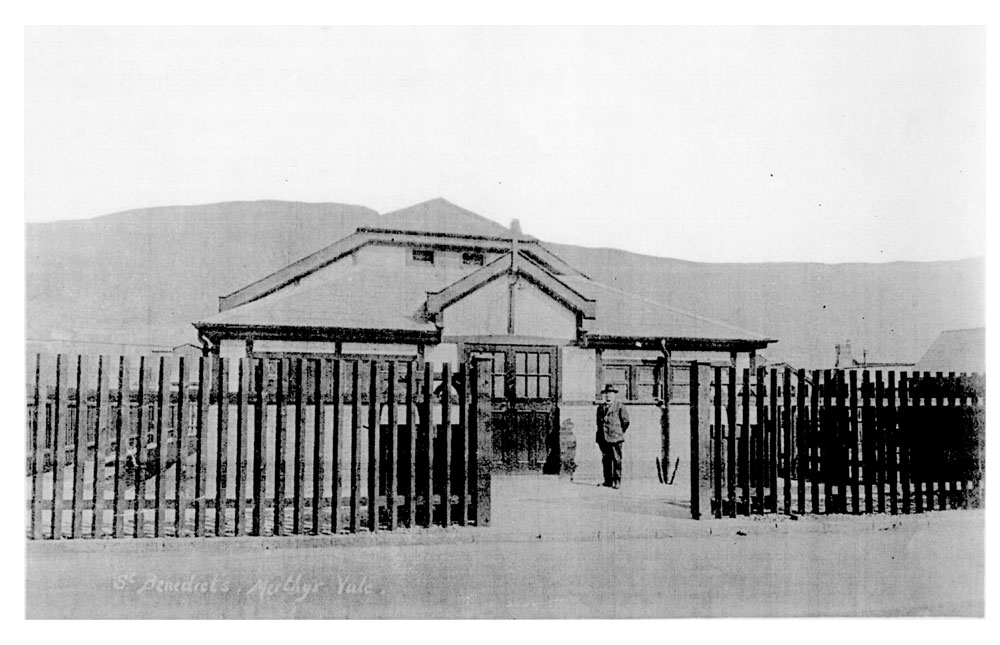
Saint Benedicts's, Merthyr Vale. (Postcard courtesy of Mr Thomas, Risca). |
|||||||||||||
|
|
|||||||||||||
|
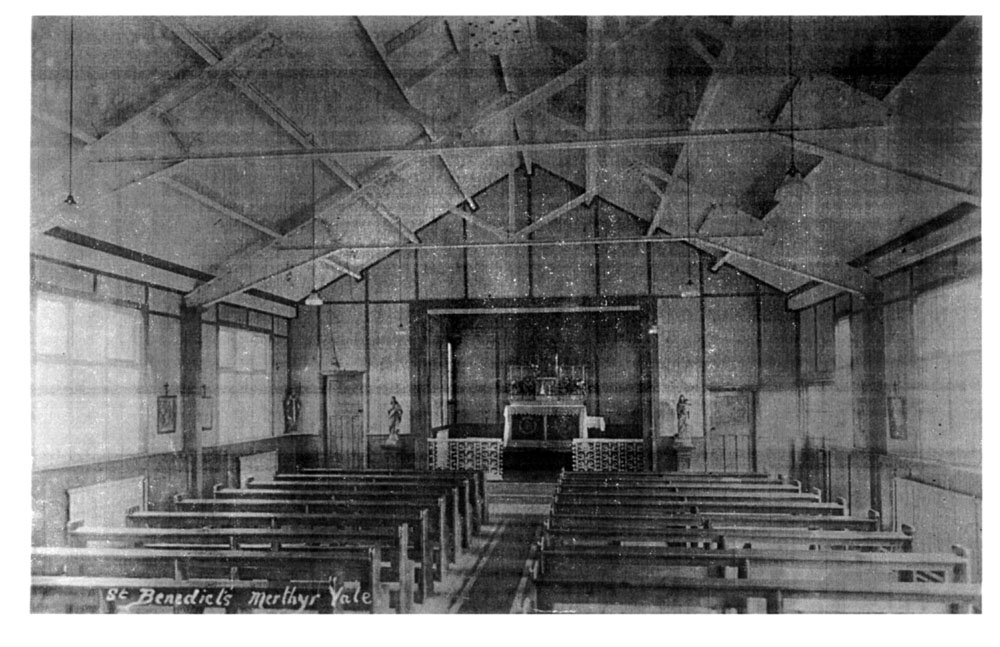
Saint Benedicts's - Interior, Merthyr Vale. (Postcard courtesy of Mr Thomas, Risca). |
|||||||||||||
|
|
|||||||||||||
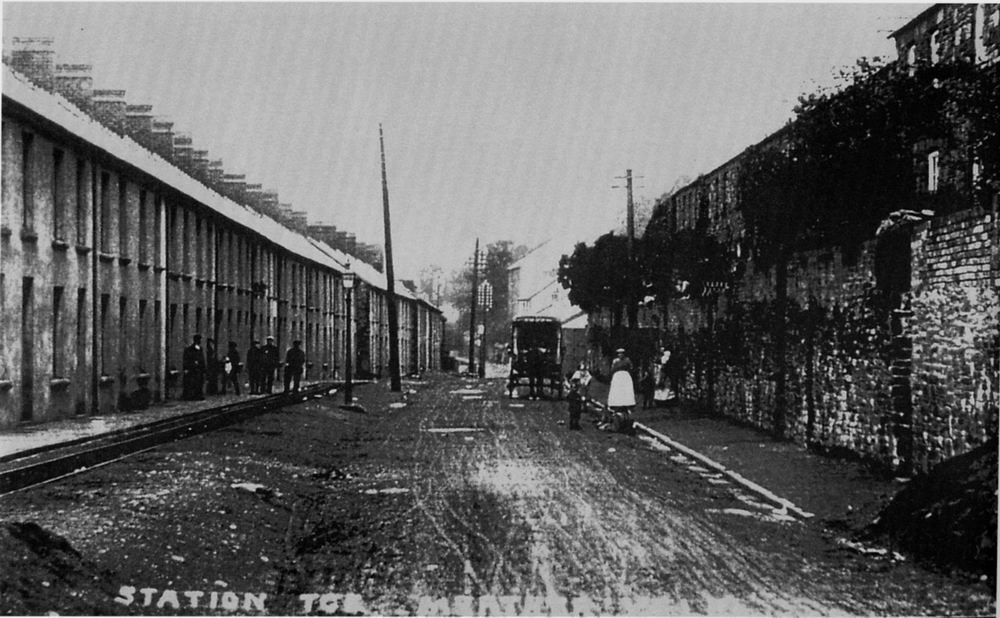
| Station Terrace - 1910. | |||||||||||||
|
|
|||||||||||||
| Lewis Place - Merthyr Vale | |||||||||||||
|
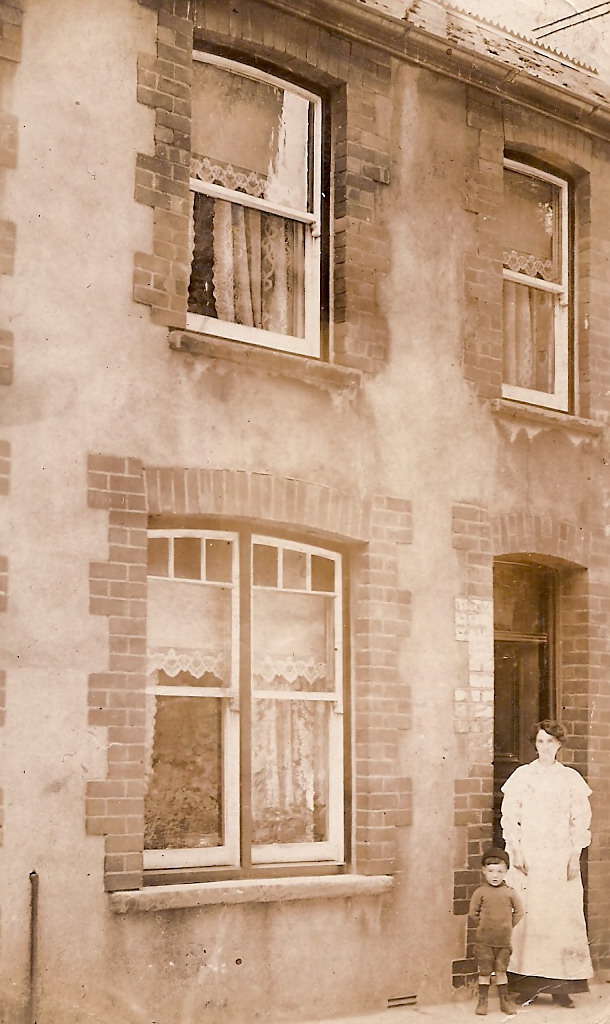
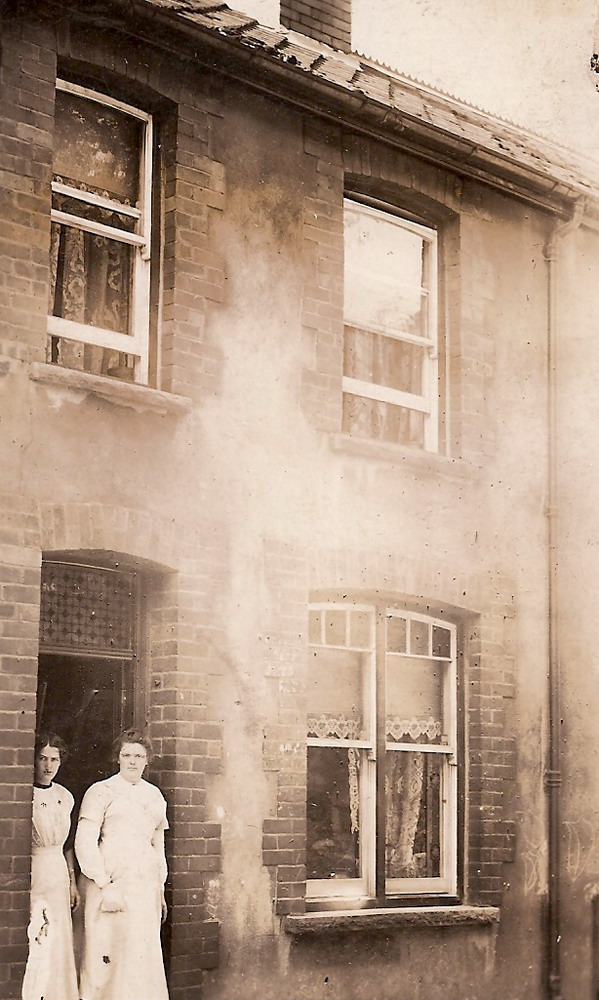
Edith Rees & Clifford Edwin Rees Outside 1 Lewis Place (Photograph Courtesy of Richard Rees) |
Possibly Lewis Place?
(Photograph Courtesy of Richard Rees) |
||||||||||||
|
|
|
||||||||||||
| Saint Mary's Church. | |||||||||||||
|
|
|||||||||||||
|
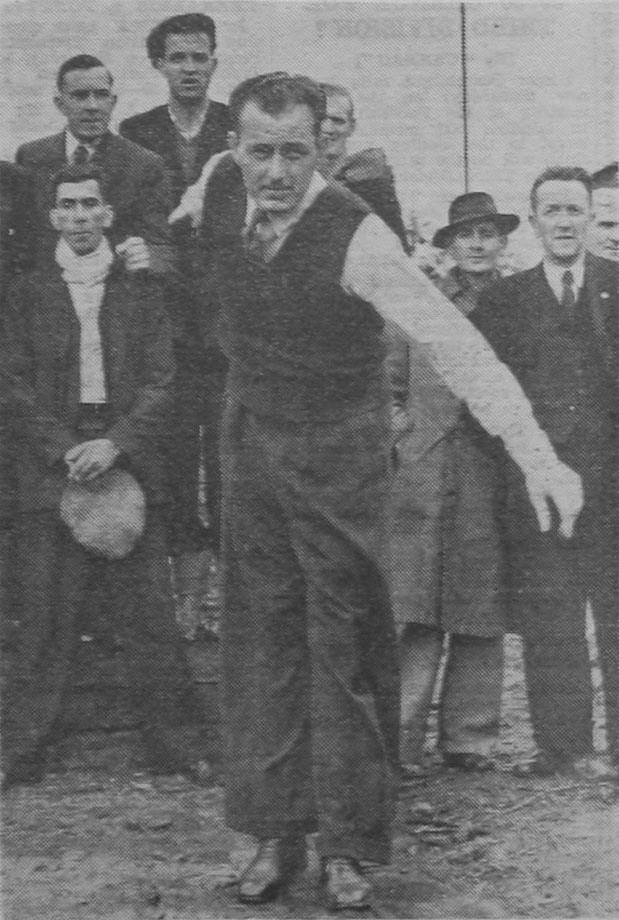
First Quoits - June 3rd 1950 Graham Welton throwing the first quoits at the Mount Pleasant Hotel, Merthyr Vale. The match was between Merthyr Vale and Ystrad Rhondda. (Photograph from the Merthyr Express) |
|||||||||||||
|
|
|||||||||||||
|
Merthyr Vale Silver Band. (Photograph courtesy of Carl Llewellyn) |
|||||||||||||
|
|
|||||||||||||
|
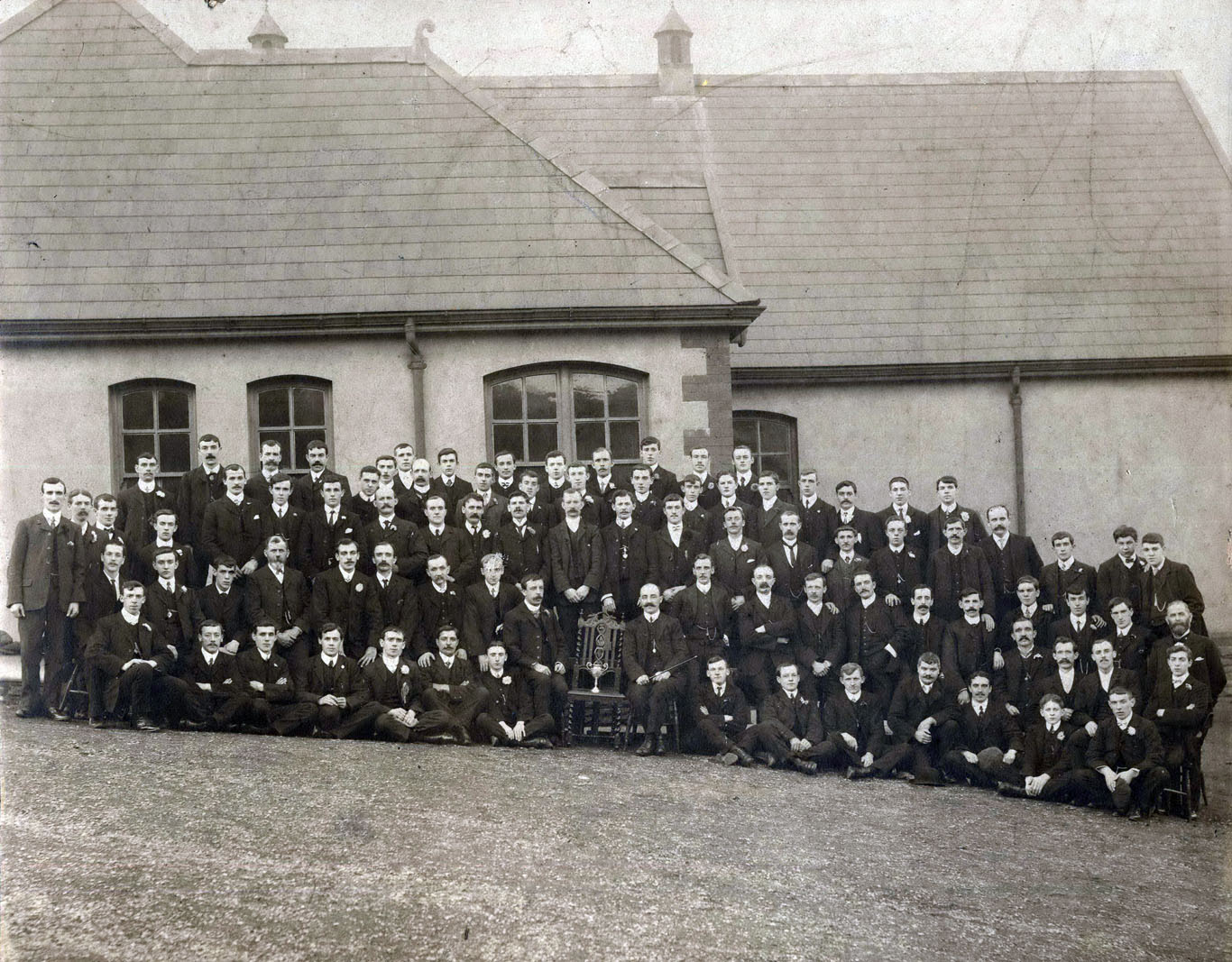
Merthyr Vale Male Voice Choir 1908. (courtesy of Malcolm Davies) |
|||||||||||||
|
|
|||||||||||||
|
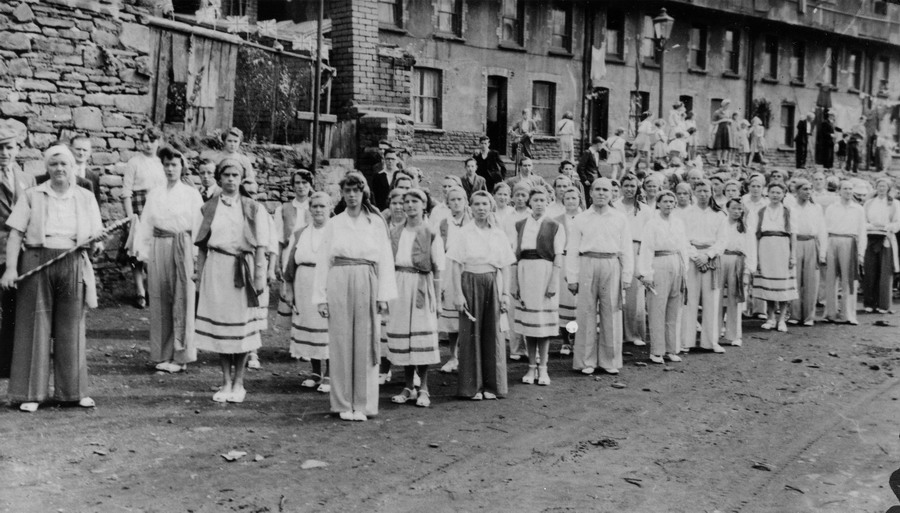
Gypsy Band - 1950 - Clive Place, Merthyr Vale (Photograph Courtesy of Terry Sargeant, Many thanks to Robert E. Richards for Information) |
|||||||||||||
|
|
|||||||||||||
|
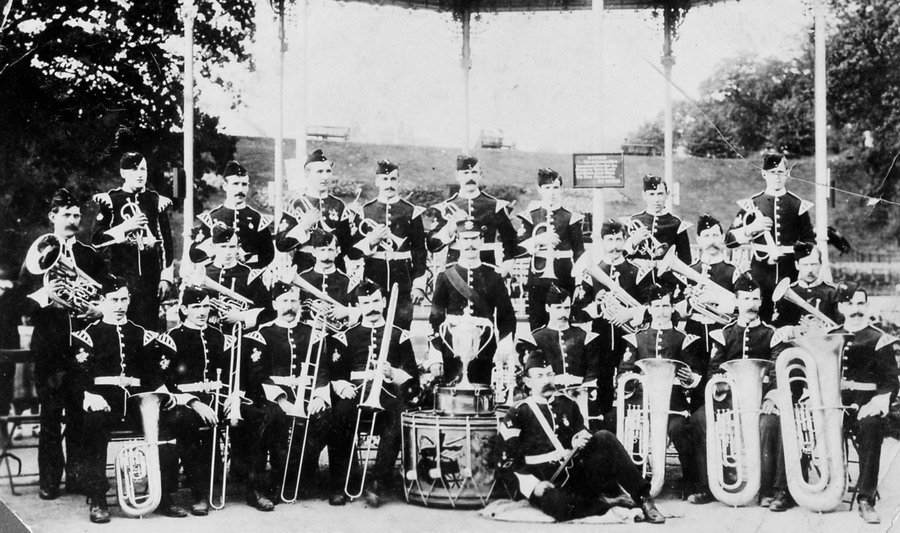
Merthyr Vale Silver Prize Band (Photograph Courtesy of the Kenneth J. Gunter Collection) |
|||||||||||||
|
|
|||||||||||||
|
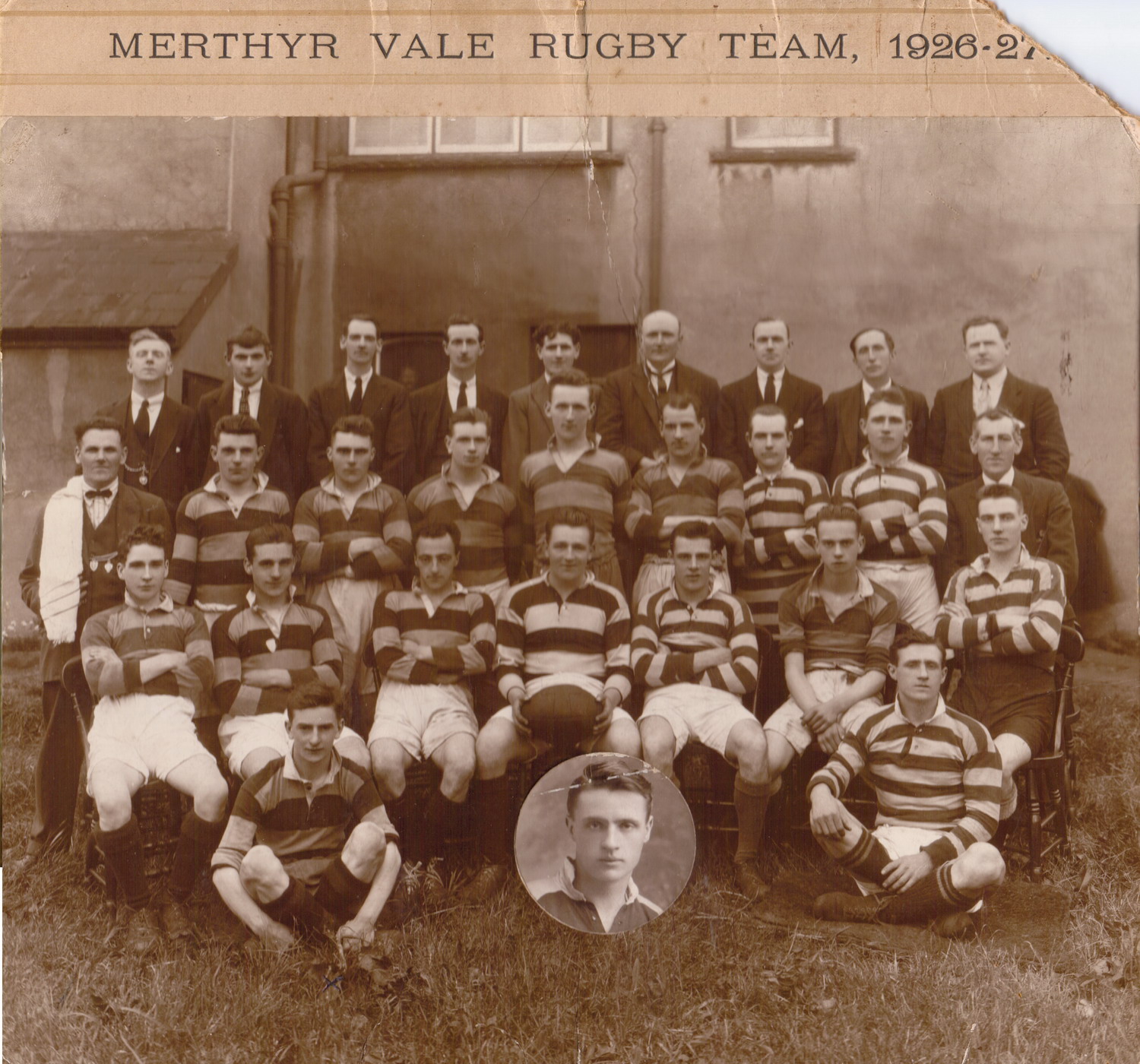
Merthyr Vale Rugby Team 1926 - 27 Front Row Sitting on Grass L-R :- Cyril Thomas, (Insert) ?, ?. (Photograph Courtesy of) |
|||||||||||||
|
|
|||||||||||||
|
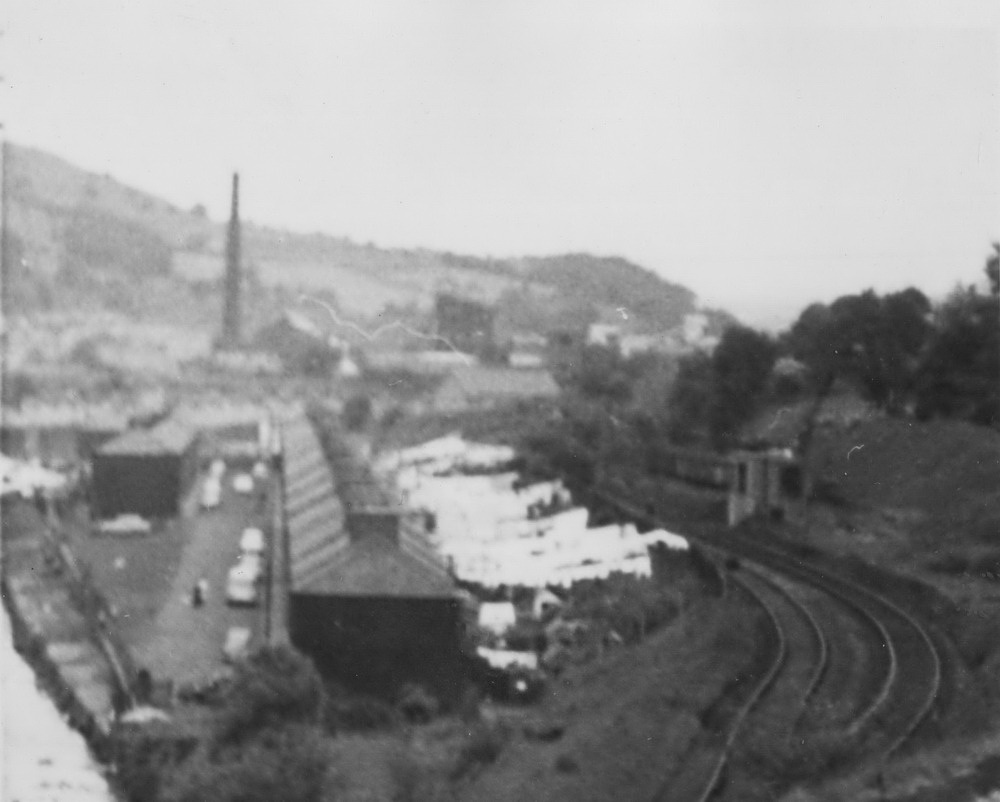
Taff Street Merthyr Vale - 1965 Monday washing day in the gardens! (Photograph courtesy of David Chillcott) |
|||||||||||||
|
|
|||||||||||||
|
Do you have any photographs or information for this page? If so, please email us, by clicking the 'Contact Us' button. |
|||||||||||||
|
To The Map |
Go to:
|
||||||||||||
|
|
|||||||||||||



.jpg)