




|
Penywern |
||||||
|
Merthyr Tydfil
|
||||||
|
||||||
|
<Click on the photograph to see a larger version> |
||||||
|
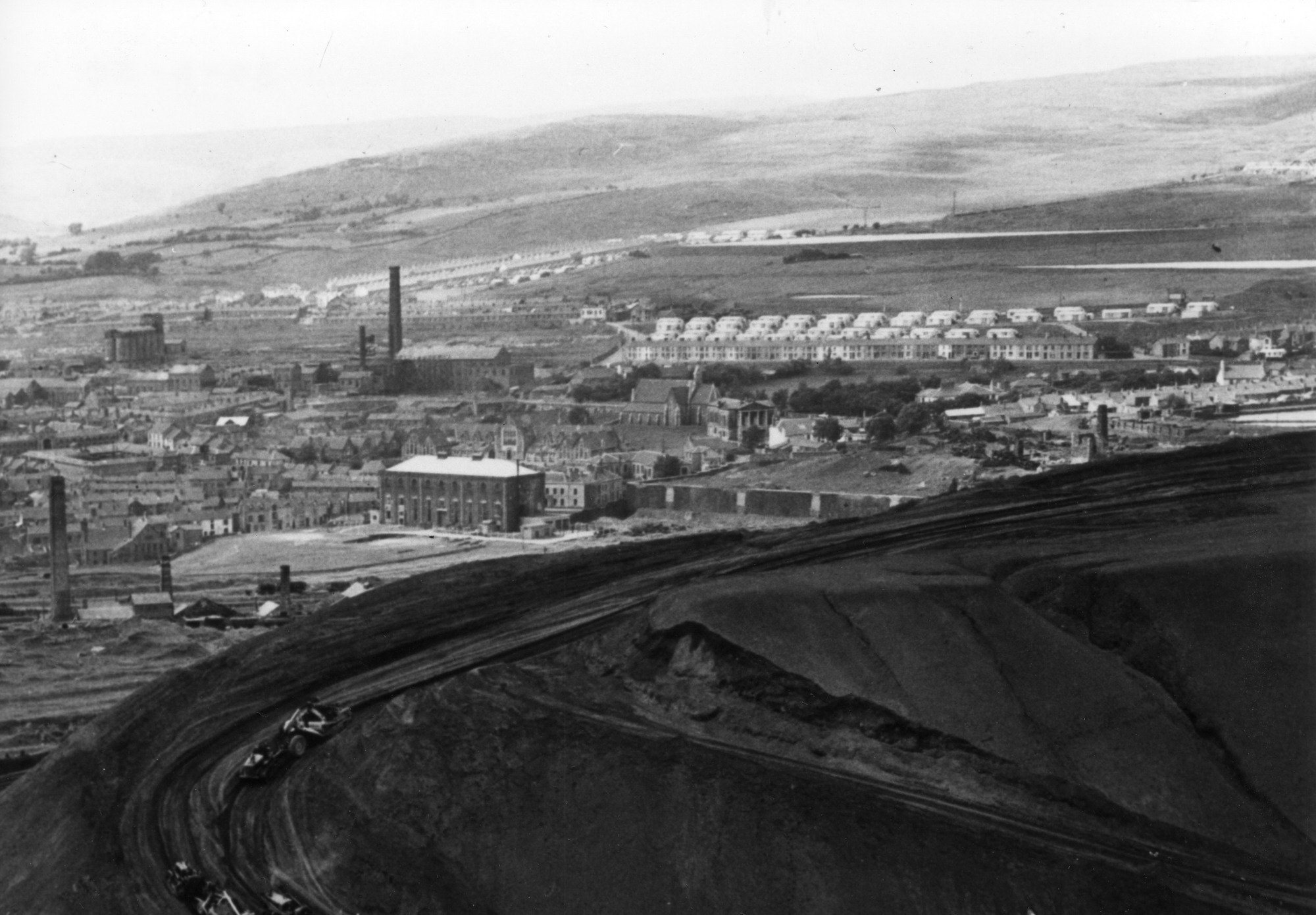
Penywern From the 'Black Coal Tip' Above the Slip Road The prefabs can clearly be seen. |
||||||
|
|
||||||
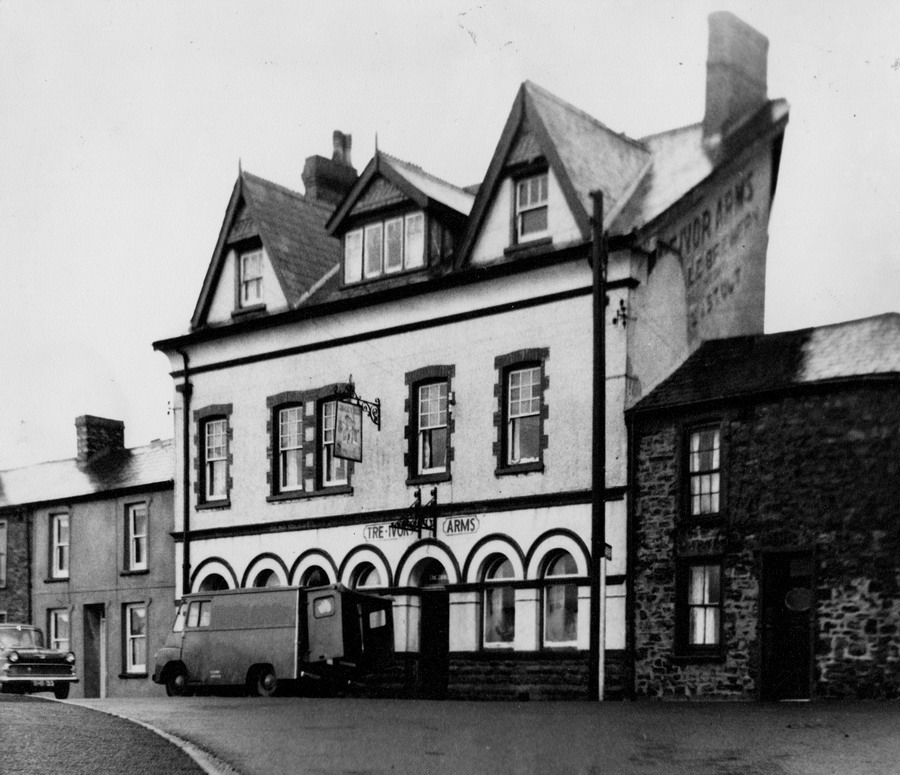
| Tre-Ivor Arms, Penywern. | ||||||
|
|
||||||
|
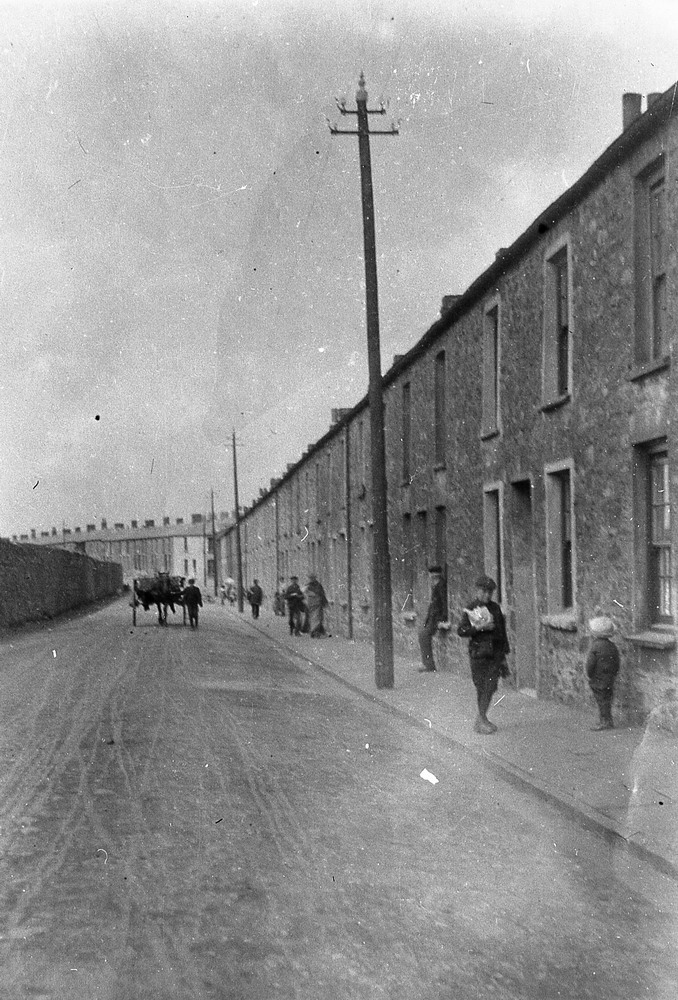
Lower Row in the Early 1900's (Photograph courtesy of the John Owen collection) |
||||||
|
|
||||||
|
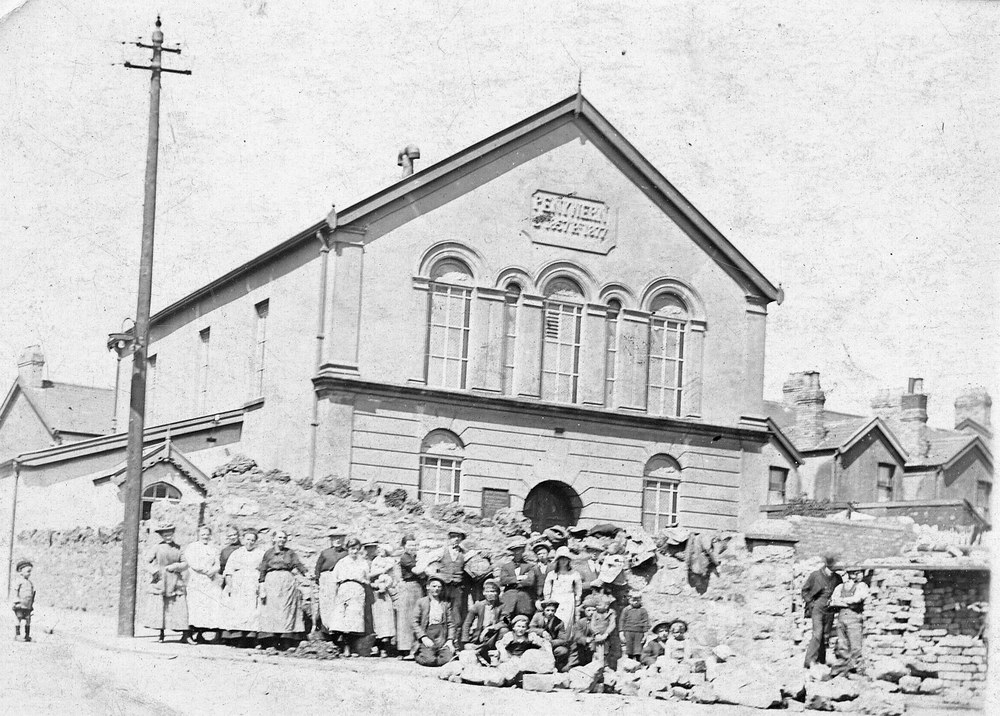
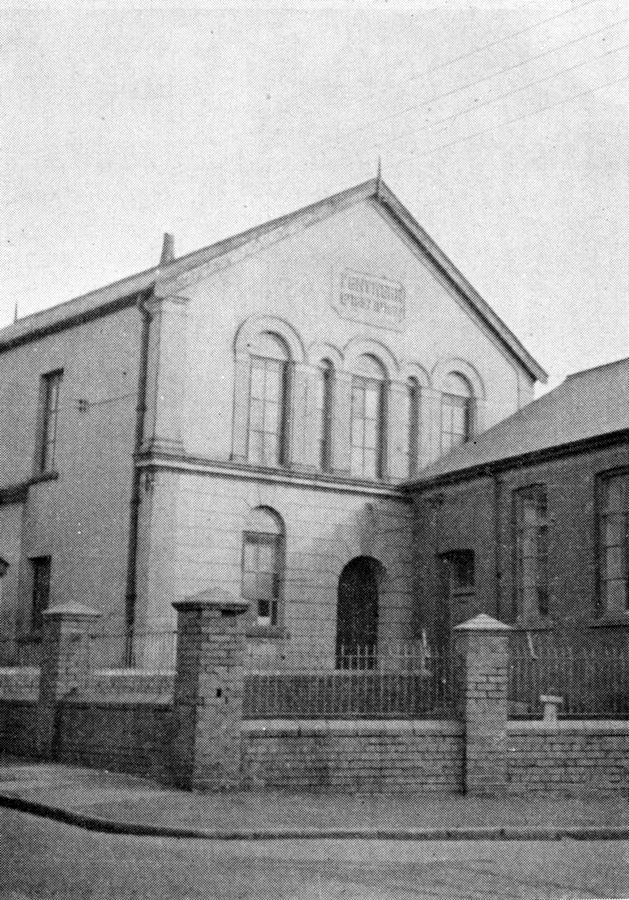
Penywern Chapel. (Photograph E-mailed by Judith Jones of Lafayette) |
||||||
|
|
||||||
| In later years the Vestry was added at the front of the chapel. | ||||||
|
|
||||||
|
|
||||||
|
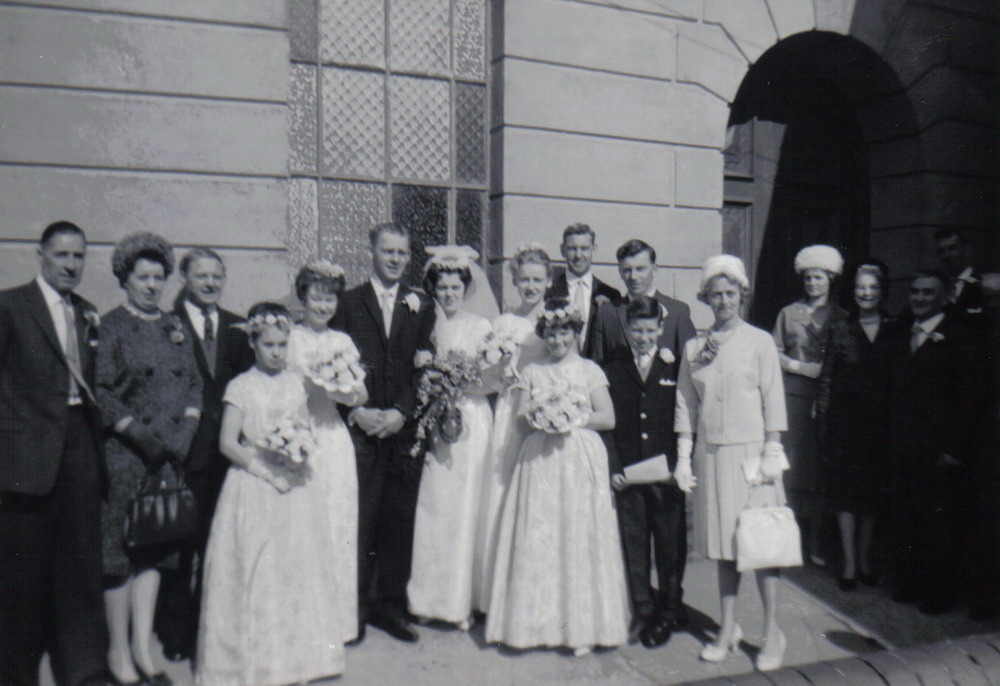
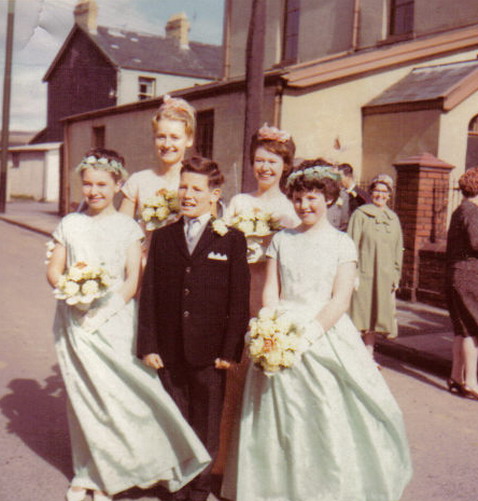
Penywern - Wedding Party for Freda Thomas & Alec Winsor - September 1963 Mr. J. Winsor tells us: "The bride and groom are Freda Thomas and Alec Winsor, Freda was from Cross St, Alec was from Kent via the Midlands. Alec was a foreman on the two opencasts nearby (Dowlais Top which were known as the Royal arms and then Trecatti sites)" (Both Photographs Courtesy of John Winsor) |
||||||
|
|
Page Boys and Bridesmaids: L - R: Lauren Davies, Jennifer Jane Winsor, Phillip Harris, Glynis Davies, Beth James, now Rees (a teacher in a Dowlais Infants School) |
|||||
|
|
||||||
|
|
||||||
|
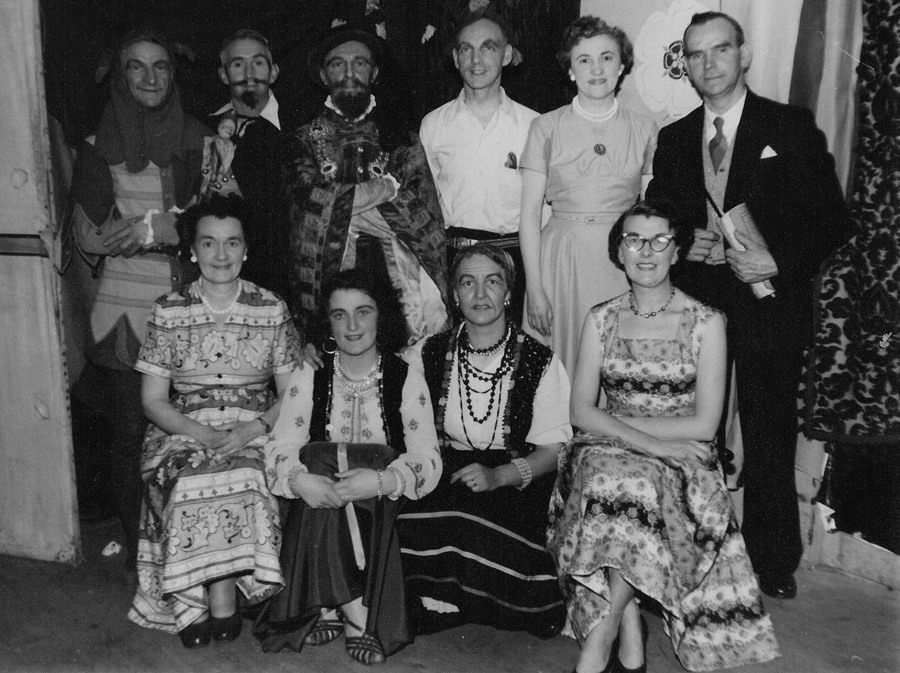
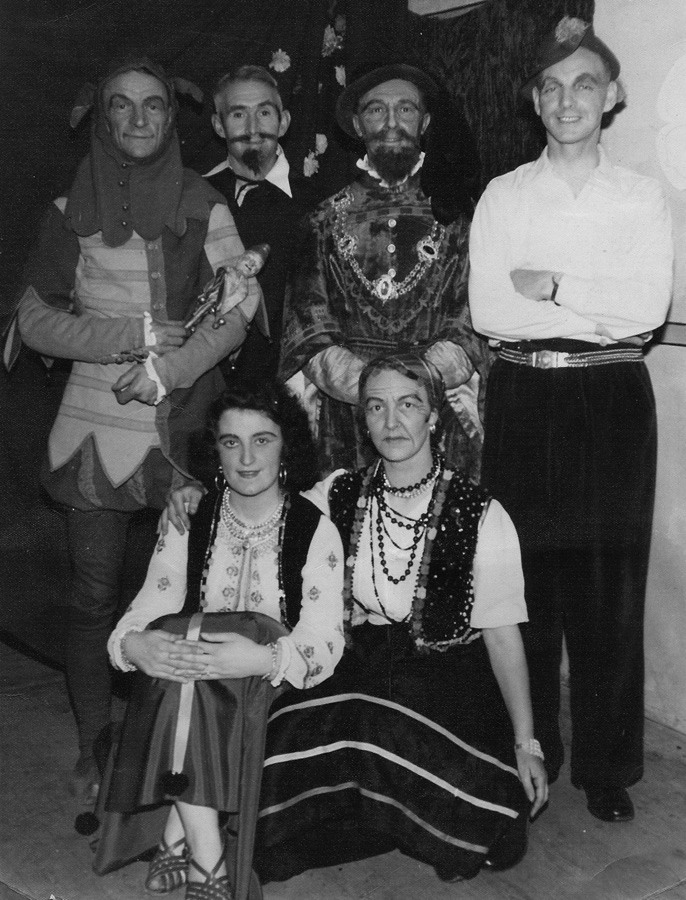
Penywern Chapel performance of 'Zurika, the Gypsy Maid' in the 1950's Back Row L-R: Willie Rosser, Johnny Rosser, ?, Llewelyn Pritchard, Ceridwen Adams-Morgan, Morleisydd Morgan Front Row L-R: May Llewelyn, Christine Rosser, Glenys Kinsey, Mary Jenkins (Teacher at Twynyrodyn Infants School). (Photograph courtesy of Lynda Pritchard Newcombe) |
||||||
|
|
||||||
|
|
||||||
|
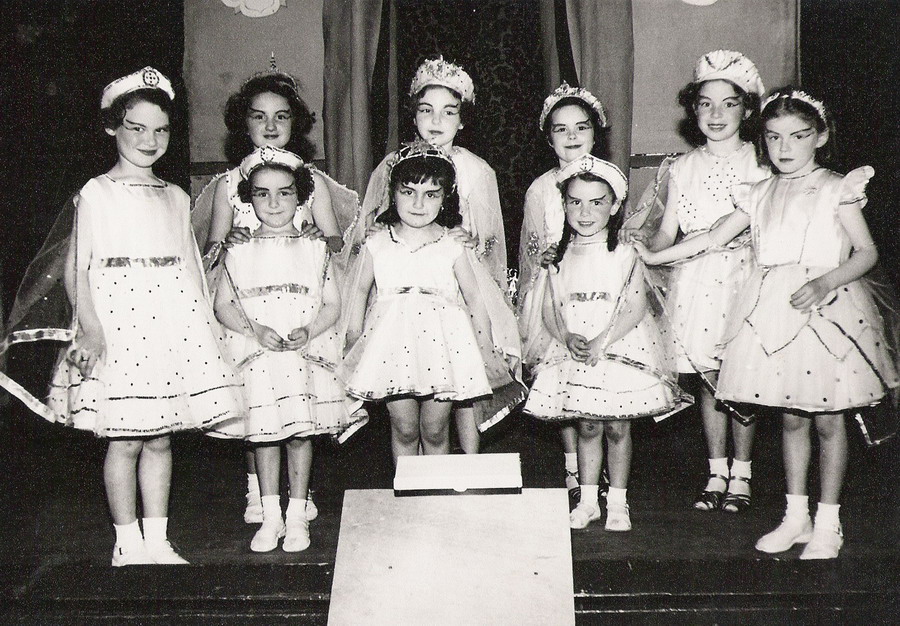
Fairies - Back Row L-R: Christine Jones, Lynda Pritchard, Ann Thomas, Jacqueline Love, Front Row L-R: Glynis ?, ?, Jean Arriaga, ?, ?. (Photograph courtesy of Lynda Pritchard Newcombe) |
||||||
|
|
||||||
|
|
||||||
|
Main Cast. Back Row L-R: Willie Rosser, Johnny Rosser, ?, Llewelyn Pritchard, Front Row L-R: Christine Jones, Glenys Kinsey. (Photograph courtesy of Lynda Pritchard Newcombe) |
||||||
|
|
||||||
|
|
||||||
|
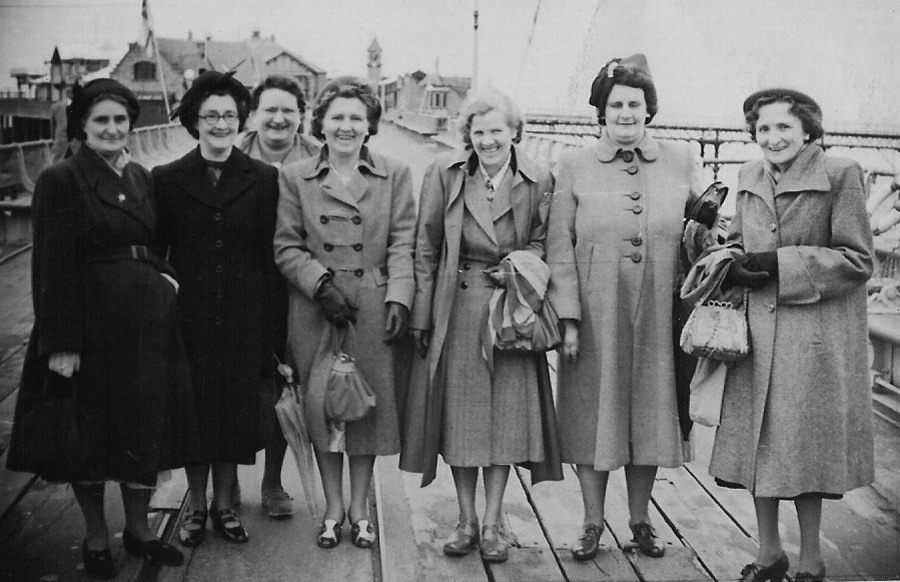
Penywern sisterhood outing to Weston-Super-Mare in the 1950s. Left to right: Minnie Rosser, Miriam Hughes, Eunice, Abigail Pritchard, Gwen, ?, Jenny Evans. (Photograph courtesy of Lynda Pritchard Newcombe) |
||||||
|
|
||||||
|
|
||||||
|
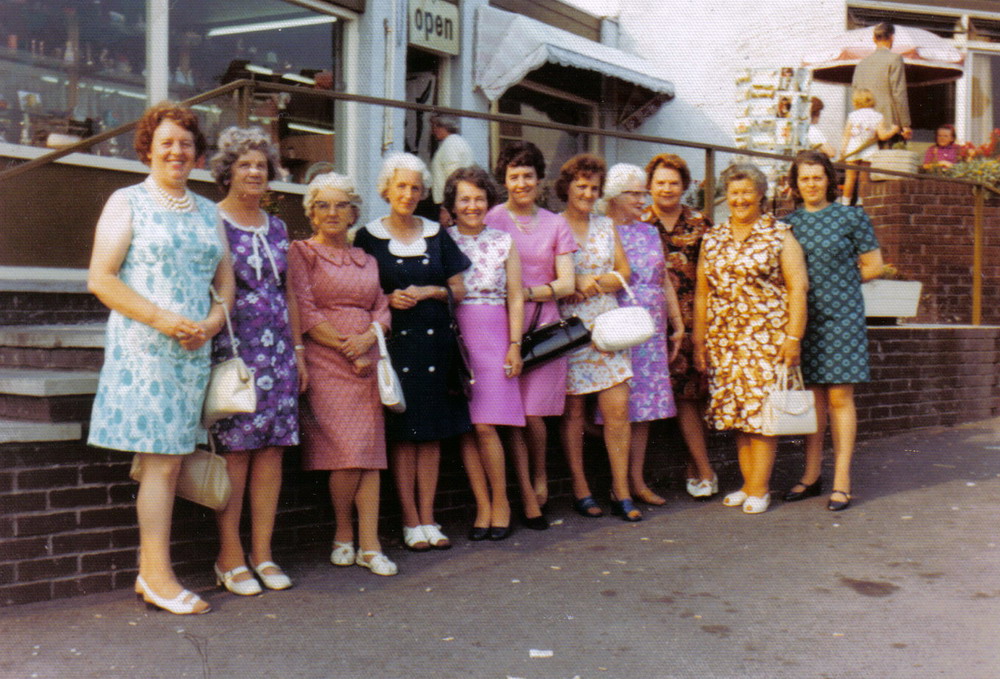
Penywern & Dowlais Ladies on a Trip - 1970s Mrs Winnie Lynch, formerly Thomas, is on the far left and her daughter Freda is on the far right. (Photograph Courtesy of John Winsor) |
||||||
|
|
||||||
|
|
||||||
|
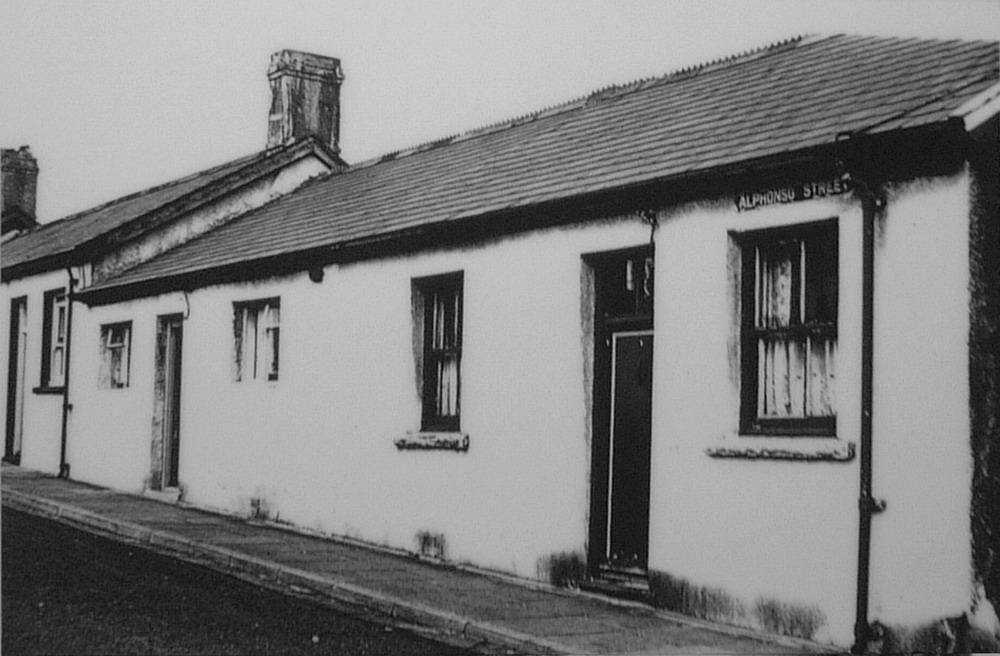
Alphonso Street |
||||||
|
||||||
|
|
||||||
|
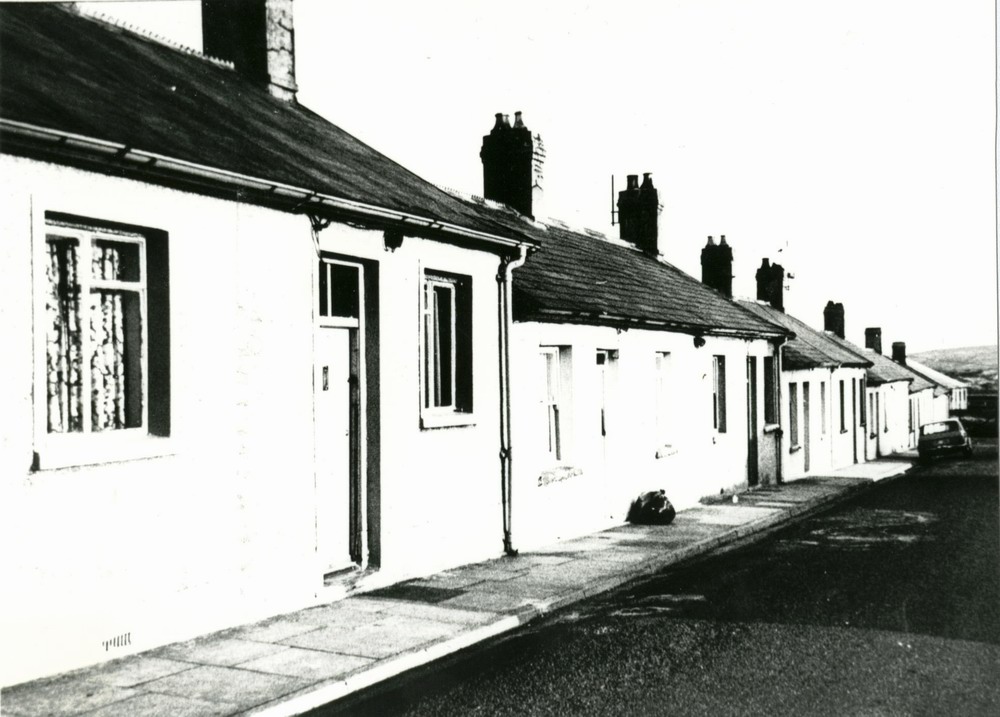
Alphonso Street, from the other direction. - (Photograph courtesy of Viv Bayliss of South Woodham Ferrers in Essex.) |
||||||
|
|
||||||
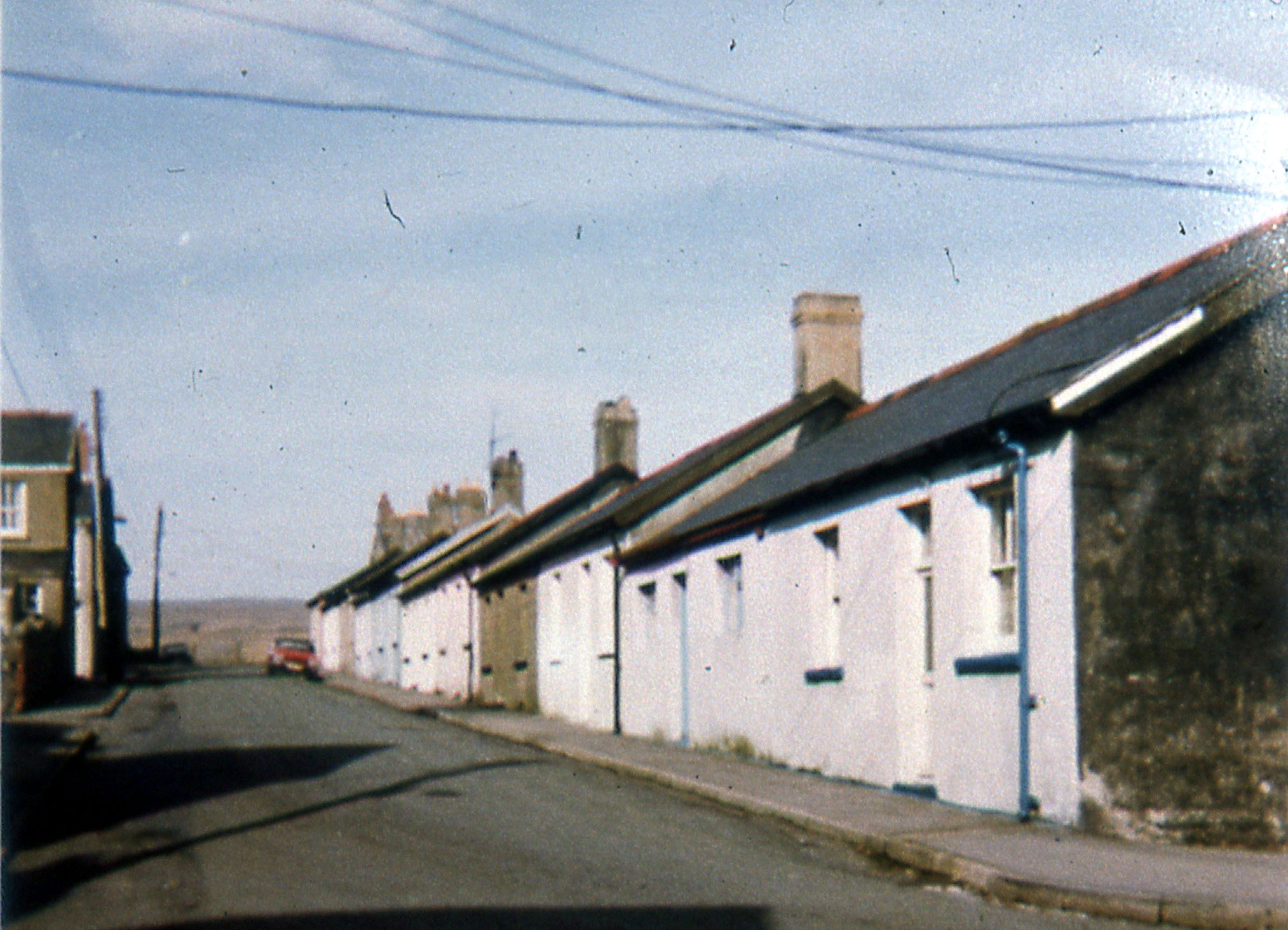
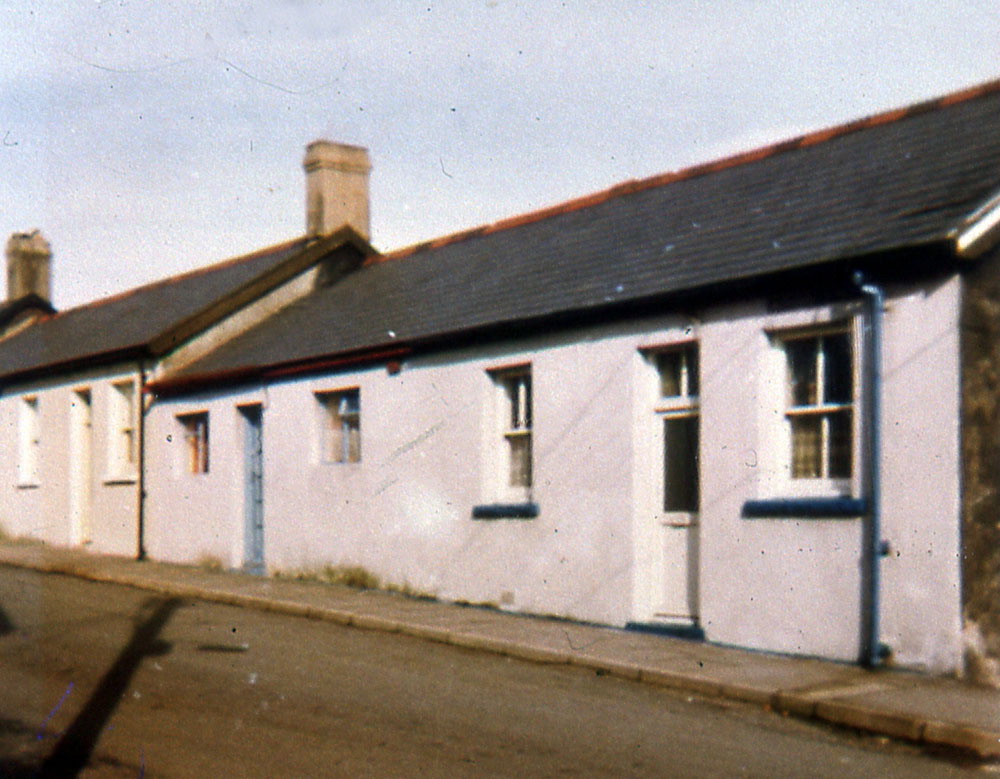
| Alphonso Street - 1977 | ||||||
|
||||||
|
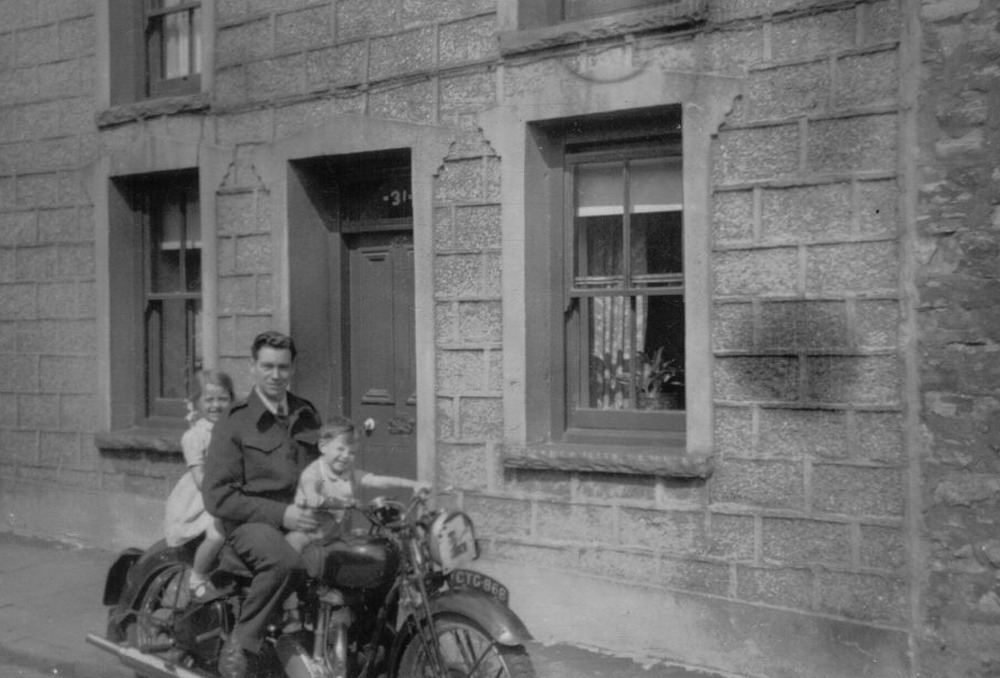
Penywern - 31 Cross Street - John Harris and his Bike. Mr. J. Winsor tells us: " The man on the bike is Mr John Harris who is seen still wearing his battle dress( from the Fleet Air Arm), he had very recently been Demobed. On the rear of the bike is Freda Thomas 5yrs, on the front is her brother John (John died of cancer just after his 15th birthday)." (Photograph Courtesy of John Winsor) |
||||||
|
|
||||||
|
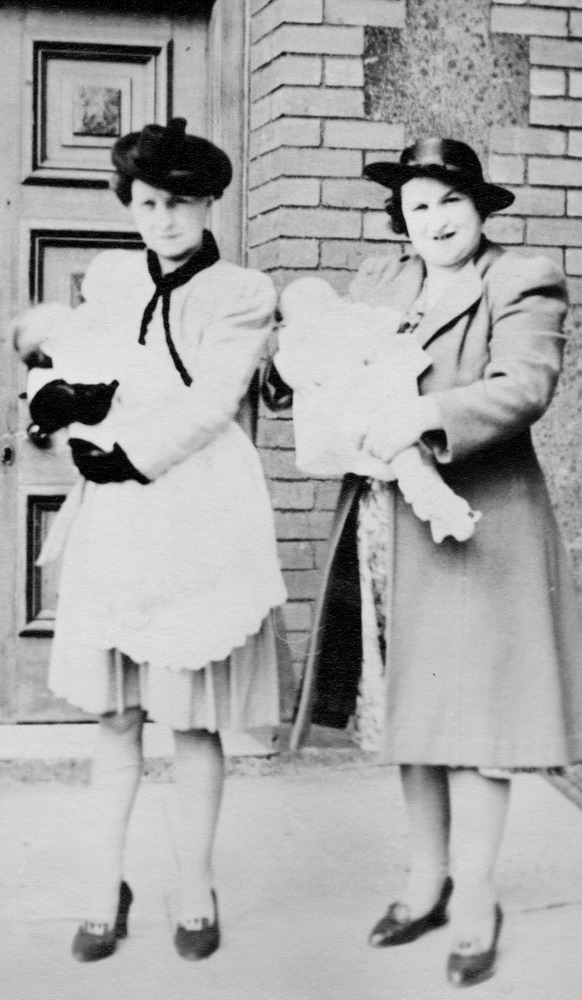
Christening at Penywern Chapel - 1943 Left: Peggy Arriaga with Pat. Right: Mrs. Francis with David (From Queen Street, Pant). (Photograph Taken by Joe Arriaga, Courtesy of Pat Fearn). |
||||||
|
|
||||||
|
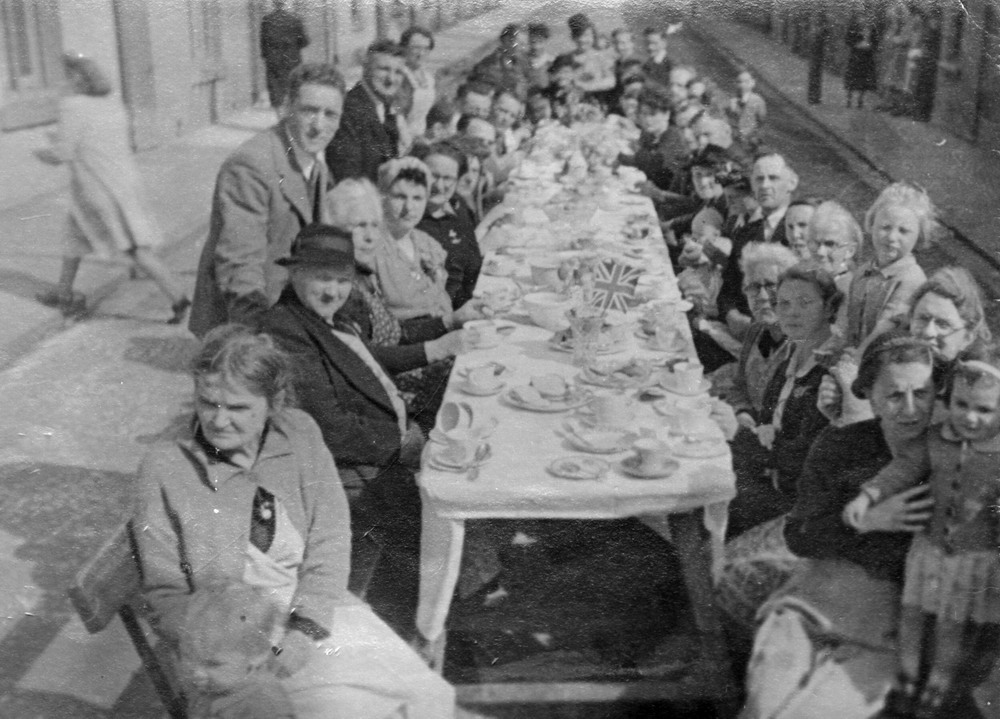
Penywern - Upper Row Street Party - June 1944 - V.E. Day - End of the War in Europe The first lady on the front left, in her Sunday Best is Mary Jones of 25, Upper Row.The second man and the lady standing on the left side are Bill and Emma Gage. (Photograph Courtesy of Pat Fearn) |
||||||
|
|
||||||
|
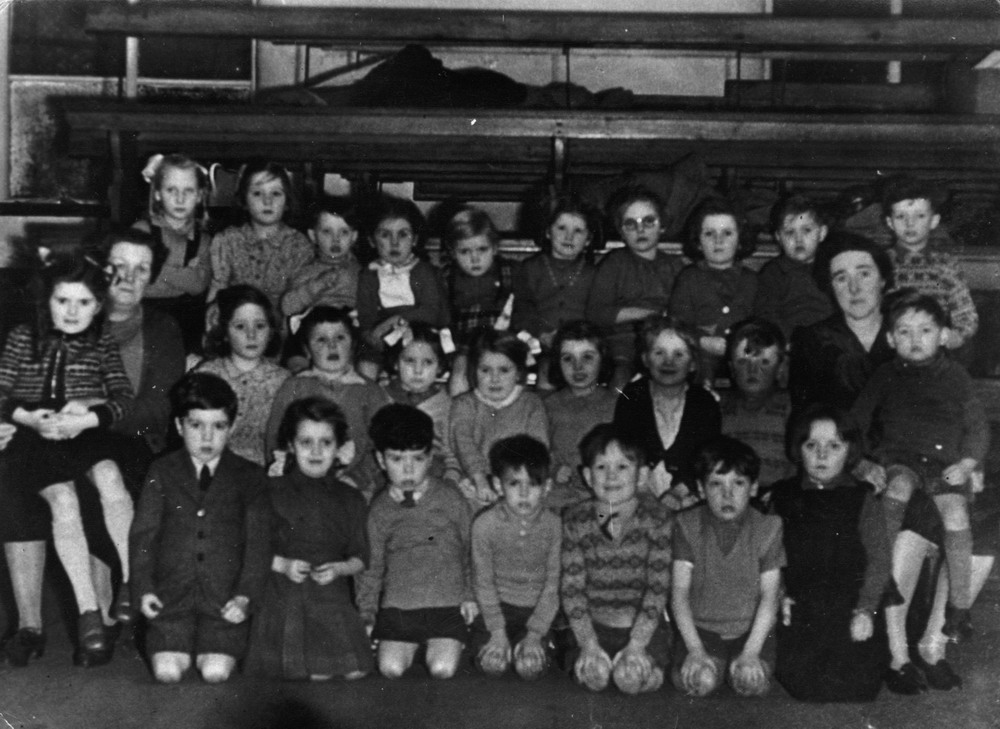
Penywern - Sunday School - Circa 1947 (Photograph Courtesy of Pat Fearn) |
||||||
|
|
||||||
|
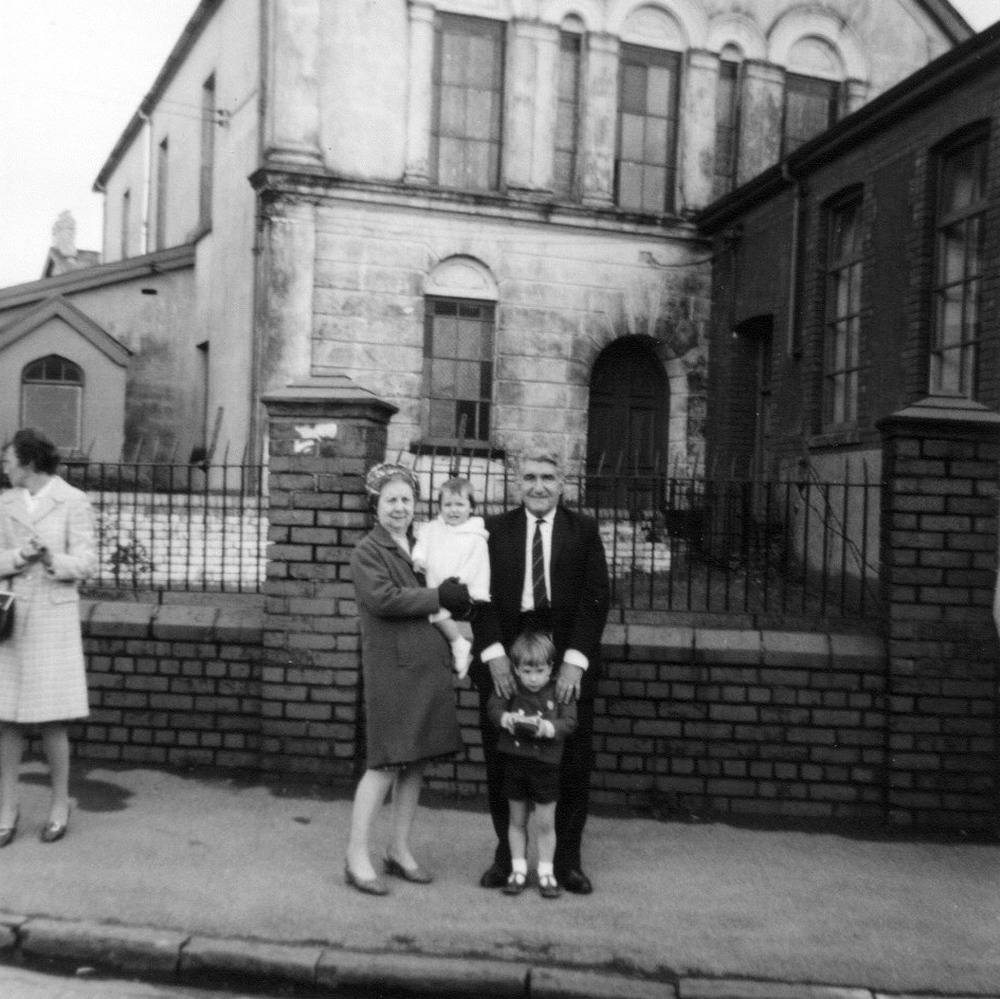
Joanne Fearn's Christening - May 1971 Joe and Pegga Arriaga (Grandparents) and Paul Fearn (Brother). (Photograph Courtesy of Pat Fearn) |
||||||
|
|
||||||
|
Do you have any photographs or information relating to Penywern, Merthyr Tydfil? If so, please email us, by clicking the 'Contact Us' button. |
||||||
|
|
||||||