|






| |
|
 |
| |
|
|
1831 |
 |
BARA
NEU
WAED |
|
|
| |
| |
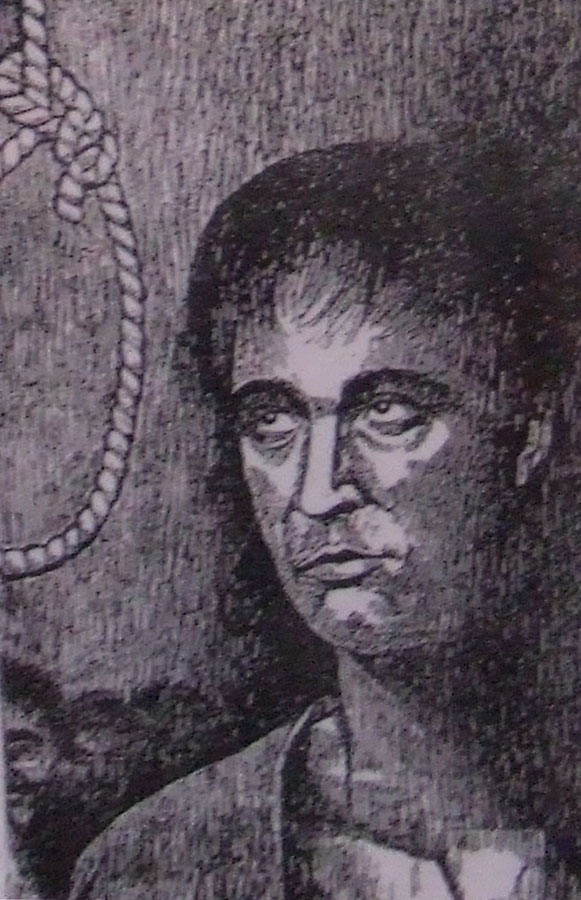
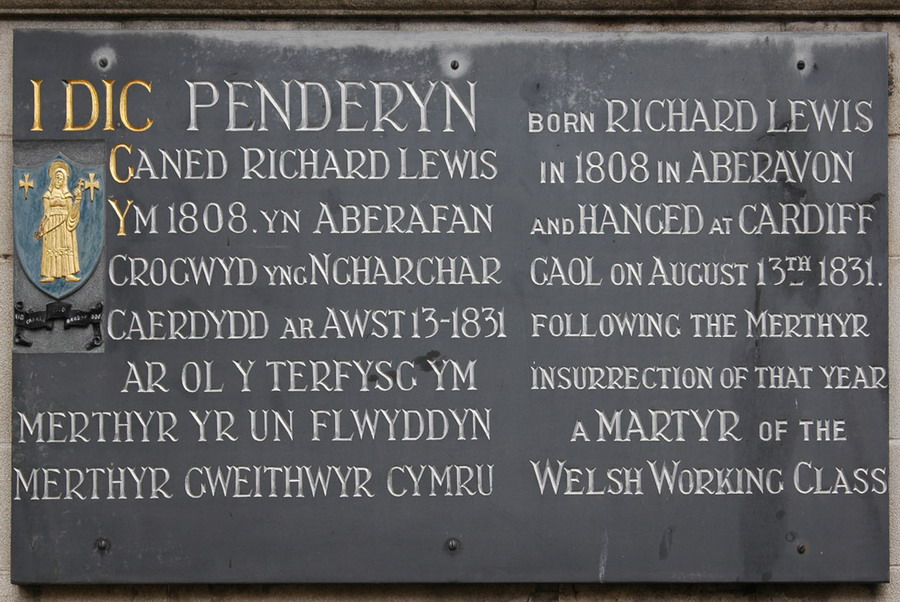
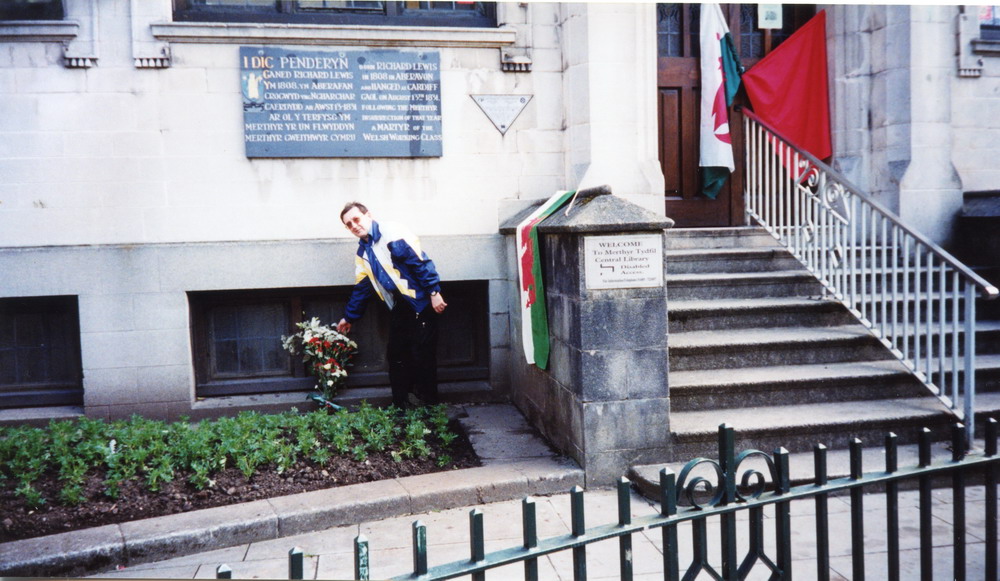
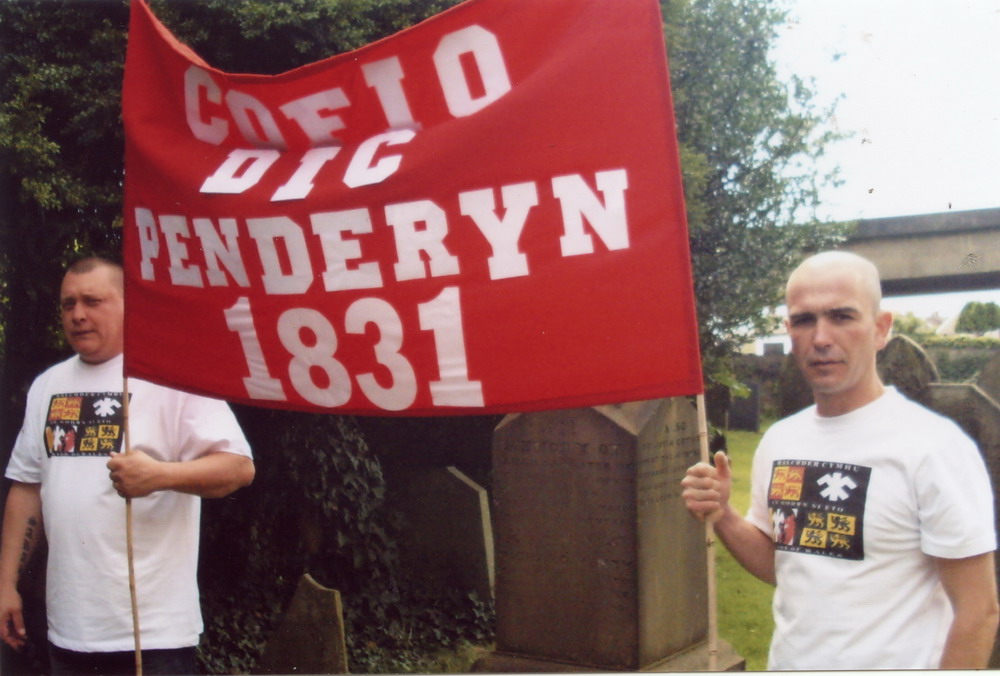
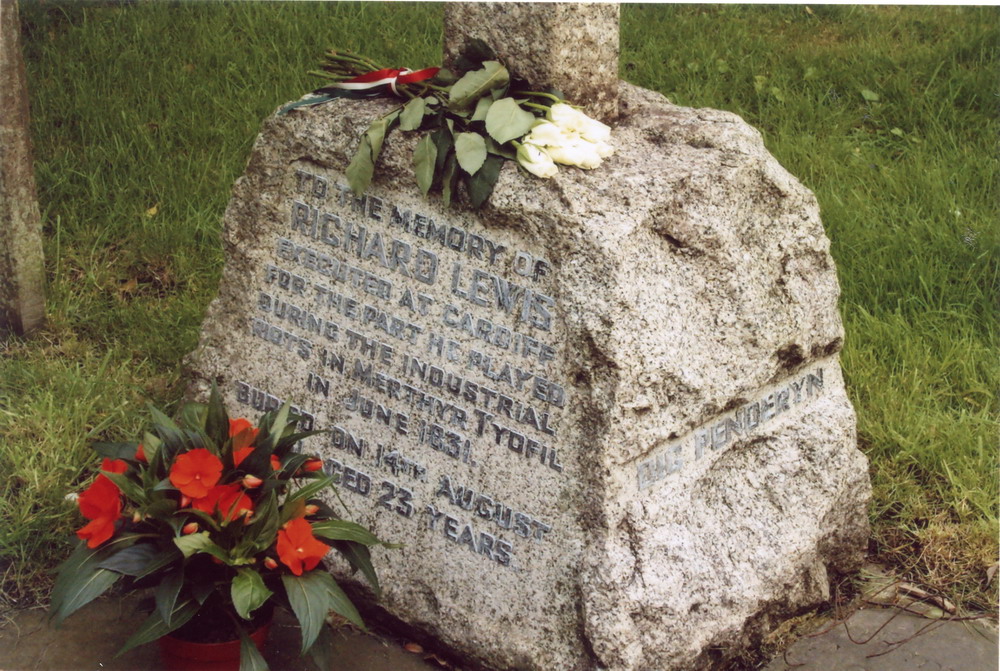
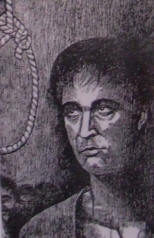
DIC PENDERYN
& THE MERTHYR RISING, 1831
Oh Lord, what
an injustice!
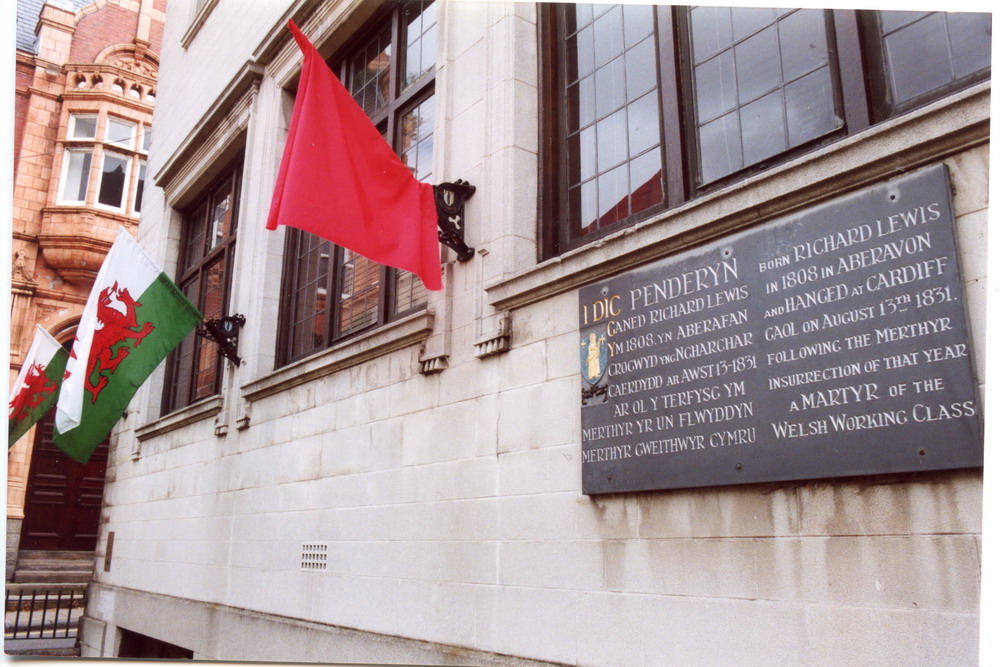
These were the last words of Dic
Penderyn (real name Richard Lewis) who was one of 28 men and women tried
on charges connected with the Merthyr Rising. Some of the accused were
transported, others were given “hard labour”, but he was accused of
wounding a soldier, as well as rioting and was the only person to be
executed. Dic Penderyn declared his innocence and evidence indicated
that this was the truth. It now seems very clear that an innocent man
was executed in public view in Cardiff on the 13th August 1831. The
hanging of this man was regarded as being a cruel and barbaric act even
at the time. Hangings were not so common in 1831, as transportation had
become more popular, in fact around this period only about 40 persons
were hung annually in the whole of Britain. The death sentence was a
harsh punishment and the soldier did not even identify Dic Penderyn as
the man who wounded him. The execution of Dic Penderyn and his quick
burial in Aberavon was blatantly a “lesson to the people of Wales”.
The Merthyr Rising in June 1831, when workers took control
of the town of
Merthyr Tydfil,
shocked the British Government. It was the first politicised workers
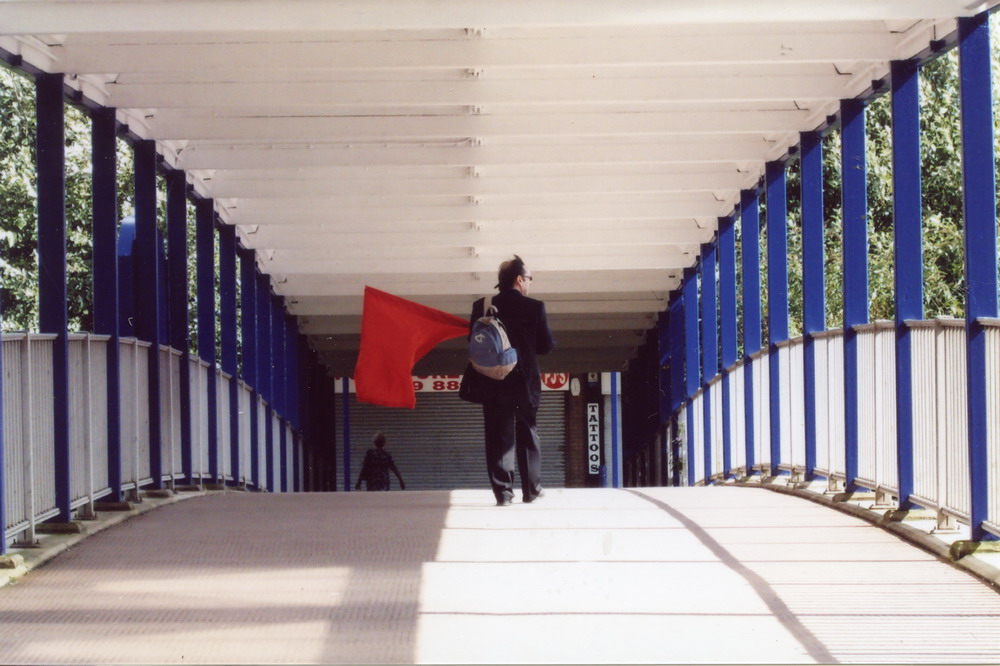
rising in Britain and the first time in world history that a red flag
was used as a symbol of revolt. Dic Penderyn was not the leader of a
rebellion and at the time Lewis Lewis was thought to be the ring leader.
The Merthyr Rising was the reaction of workers to injustice and showed
their willingness to fight oppression and cuts in their wages. During
this event the people themselves were the heroes. During the Merthyr
Rising soldiers fired into the crowd gathered around the Castle Hotel
and over 16 rioters were killed and a great many others wounded, later
to die of their injuries. An eyewitness described a mother carrying her
dead son in her arms. Not one of the soldiers received a bullet wound,
the crowd was largely completely unarmed. There was an inquest on only
one of the persons killed, John Hughes. The inquest unanimously found
that his death was “ justifiable homicide”. Wounding a soldier received
the death penalty, but soldiers could kill with no questions asked as
long as the riot act had been read!
C.J. |
|
|
| |
| |
THE
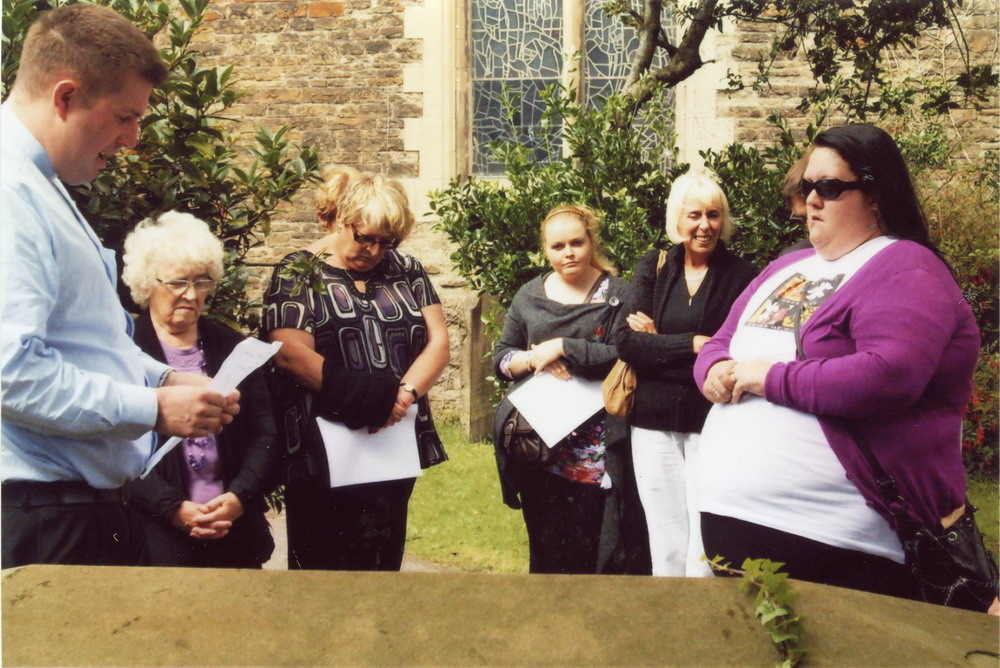
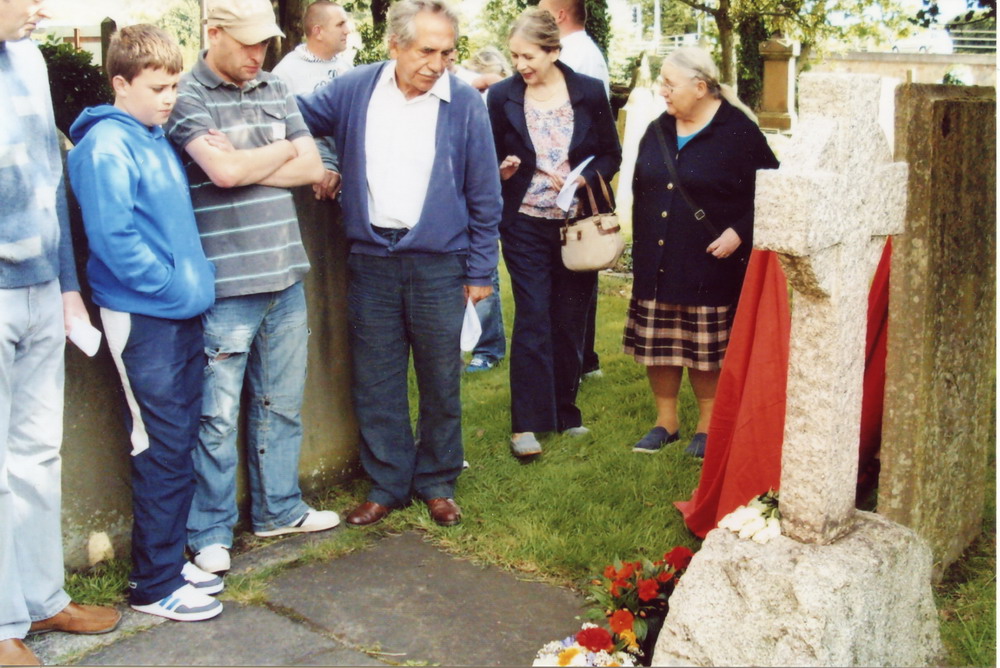
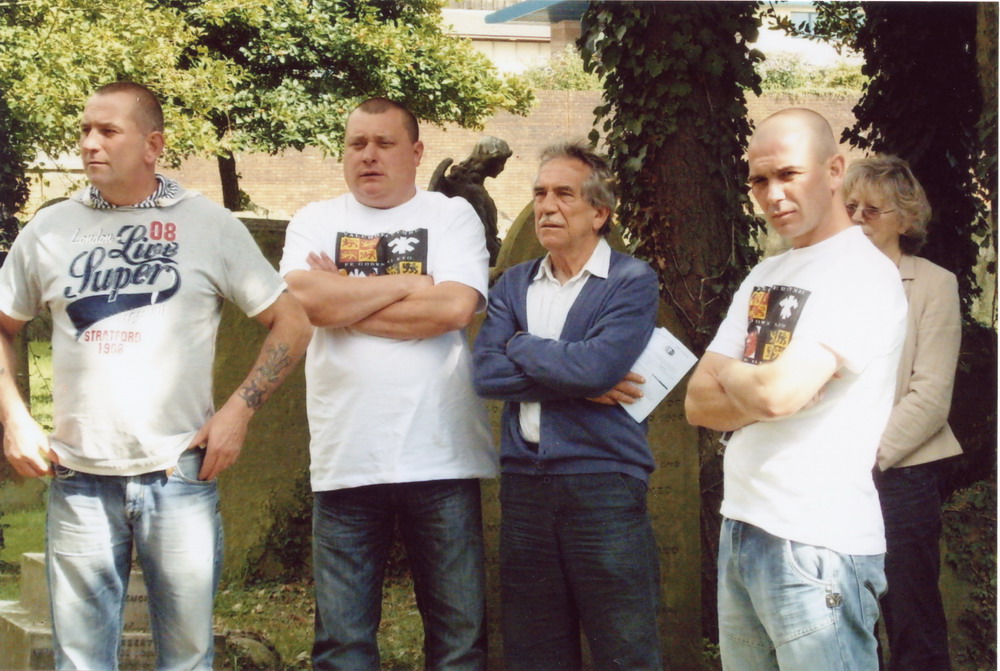
DIC PENDERYN SOCIETY
ANNUAL 1831 CELEBRATIONS
For
further details contact Mr Vivian Pugh
01685 377883
pughmv@aol.com
Chairman Dic Penderyn Society
Ty
Penderyn, 90A Twynyrodyn Road, Merthyr Tydfil CF47 0SD
|
|
|
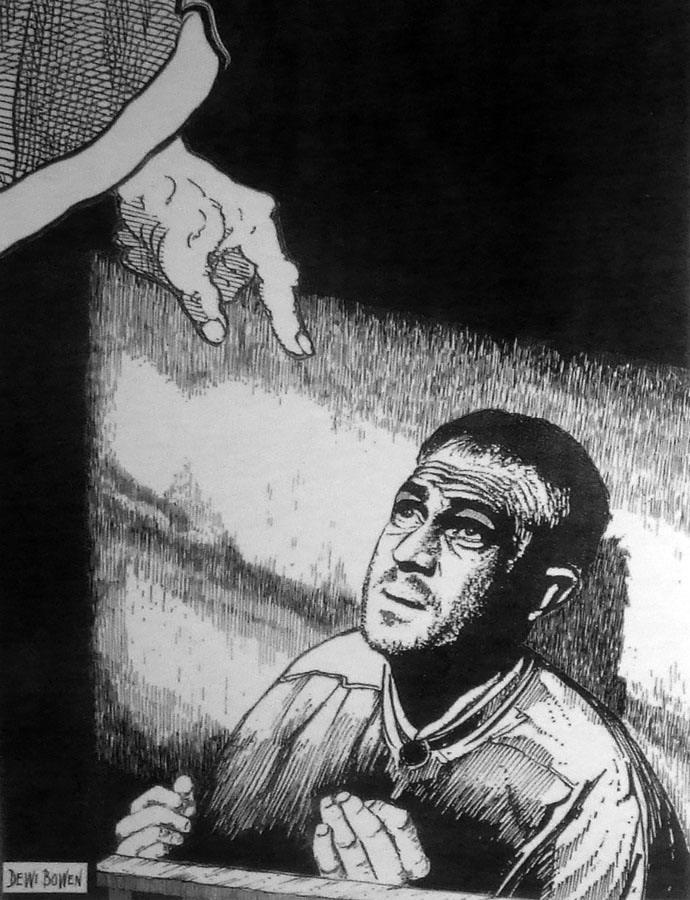
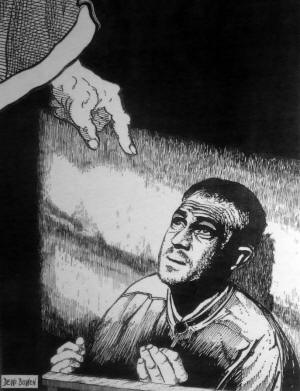
| Dic Penderyn by Dewi Bowen. |
|
 |
| |
| |
|
Contact:
Mr Vivian
Pugh, B.A. Hons.,
Ty Penderyn
90a
Twynyrodyn Road,
Twynyrodyn
Merthyr
Tydfil
Telephone
01685 377883
E-Mail
pughmv@aol.com |
OR:
Ms. Debbie Bardo.
Telephone: 07879078370
E-Mail:
celticdebs@vigin.net
|
|
|
|
A LAND WITHOUT HERITAGE IS A LAND
WITHOUT SOUL
|
| |
2014 Lecture Programme
Unless otherwise stated, lectures on the
third Wednesday
of
each month at 7.15 pm in Zoar Welsh Centre
17th June ANNUAL
GWYN ALF WILLIAMS MEMORIAL LECTURE
Professor Chris Williams
--------------------
17th September MUSIC AND PROTEST
IN C19TH SOUTH WALES
Huw Williams
---------------------
21st October MERTHYR CHARTISTS
Joe England
-------------------
18th November A WELSH MINING
TRAGEDY IN PENN USA 1869
Doctor Bill Jones Cardiff
University THIS LECTURE IS AT
DOWLAIS LIBRARY
----------------------
Membership:
£8 which includes free admission to all lectures, walks
and the Xmas Social event.
For
further details contact Mr Vivian Pugh Ty Penderyn, 90A Twynyrodyn
Road, Twynyrodyn, Merthyr Tydfil CF47 0SD
ALL LECTURES
AT ZOAR WELSH CENTRE 7:15pm
unless
otherwise stated |
|
|
|
Mr VIVIAN PUGH
TEL 01685 377883
TY PENDERYN
90a,
TWYNYRODYN ROAD,
TWYNYRODYN,
MERTHYR
TYDFIL.
pughmv@aol.com
|
|
|
|
|